This article contains affiliate links. As an Amazon Associate, we earn from qualifying purchases at no additional cost to you.
There is no universal BIAB prep combination. Start with the instructions for your exact gel system. If the system permits a nail dehydrator and you have no lifting, there is usually no reason to add a primer automatically. Persistent early lifting: an acid free bonder is worth trying as a troubleshooting step. Acid based primer: only if your system’s manufacturer calls for it, and from a professional supplier rather than a general marketplace.
- Dehydrator removes surface oil and moisture. Primer changes how the first layer bonds. Different jobs.
- Beetles 20ml is sold as a single dehydrator bottle, which is less common in this category.
- Morovan sells the pairing in several confusingly similar configurations.
- Budget acid free sets can look similar, but a matching bottle size is not proof of a matching formula.
- Skip acid based primer unless the manufacturer of your nail system specifically calls for it.
- Buying both by default is an easy way to overspend on prep you may not need.
Most buying guides in this category answer a question nobody is asking. They explain which product goes on first, which you can find in one sentence, then list ten bottles without ever addressing whether you need two products or one.
That matters here more than in most categories, because these are small bottles with a stated period after opening. A primer bought “just in case” may exceed its stated period after opening long before the bottle is empty, particularly if you only do occasional sets. The useful comparison is not which brand, but which of these two products your situation actually calls for.
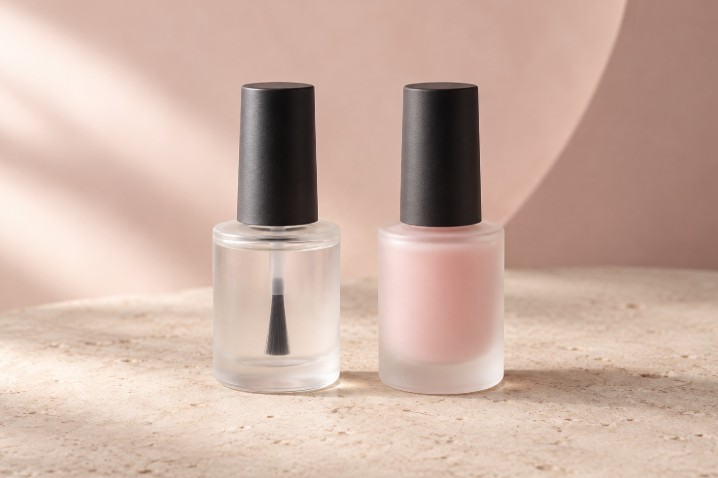
Quick Picks: Nail Prep Products Compared
| Product | Sold as | Size | Primer type | HEMA free claim | Best for |
|---|---|---|---|---|---|
| Beetles Nail Dehydrator | Single bottle | 20ml | No primer | Yes | Dehydrator without the primer |
| Morovan Dehydrator + Primer | Pair | 0.5oz each | Acid free | Yes | Both products, one purchase |
| Morovan 4 Piece Set | Four bottles | Per listing | Acid free | Per listing | Heavier use or sharing |
| Budget acid free sets | Pair | 15ml to 18ml | Acid free | Usually stated | Buying on price |
| Acid based primer | Single bottle | Varies | Acid based | Check listing | Only if your system calls for it |
Specifications come from current product listings and are seller statements rather than verified results. Formulations and packaging in this category change often, so check the listing before buying rather than relying on a comparison written at one point in time.
What Each Product Actually Does
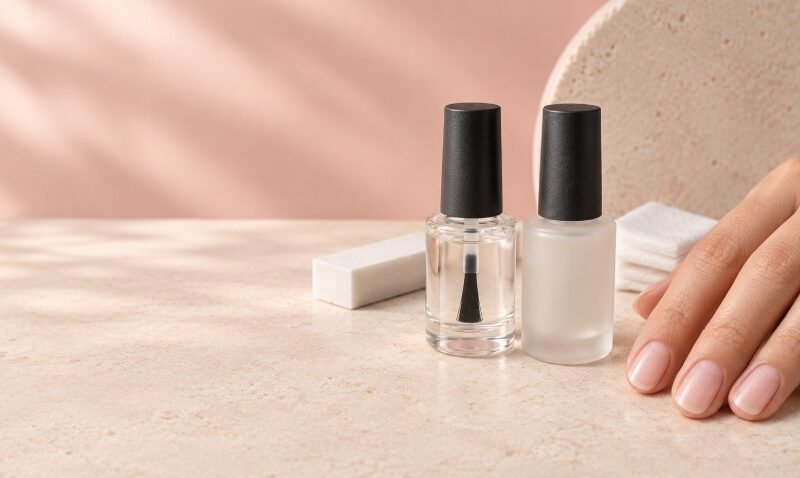
A dehydrator is a solvent, usually alcohol based. It evaporates off the nail plate and takes surface moisture and natural oil with it. That is the entire job, and it affects every set you will ever do.
A primer is chemistry rather than cleaning. It sits between the nail plate and the base coat and improves adhesion, and how it does that depends on whether it is acid based or acid free. Acid based primers usually contain methacrylic acid and etch the surface slightly. Acid free primers, often sold as bonders or bond primers, are designed to promote adhesion without the methacrylic acid etching action associated with traditional acid primers.
The practical split is who each one is aimed at. Acid based primers are associated with acrylic and hard gel systems and with nails that resist adhesion. Acid free bonders are the version typically paired with soft gel and builder in a bottle systems, and they were the type disclosed on the listings reviewed here.
How We Chose These
We compared what listings explicitly state rather than pretending to know how products wear without testing them. The useful fields are primer type, bottle size, whether a product is sold alone or as a pair, and whether the seller provides a complete ingredient list or safety data sheet. HEMA free in the table above means a seller claim, not an independent laboratory result.
One finding shaped the list: among the listings reviewed for this article, pairs were easier to find than standalone dehydrators, and the primers that disclosed a type were generally described as acid free. That is a snapshot of this sample, not a claim about every nail prep product on Amazon.
Beetles 20ml Nail Dehydrator
Standalone dehydrators were less common among the listings reviewed for this guide, with several sold as two bottle sets instead. Beetles sells the dehydrator on its own, which makes it the straightforward option for anyone who has decided against adding a primer.
At 20ml it is also the largest single bottle here. That is worth a moment’s thought rather than an automatic yes, since opened solvent products have a shelf life and a larger bottle is not better value if you do one set a fortnight. Check the period after opening symbol on the packaging.
Morovan Dehydrator and Acid Free Primer
Morovan appeared in several configurations during our listing review, and the listing states both acid free and HEMA free for the primer alongside the dehydrator. If you have decided you want both products, this is a direct route to them.
The complication is that Morovan sells similarly presented configurations: a 0.5oz two bottle version, a four piece set and a gift box version. Similar product photos and wording do not prove that the formulas are identical. Compare the exact volume and ingredient label on the version delivered, not only the hero image.
One point in its favour worth naming: the HEMA free labelling is stated explicitly rather than left to inference, which is not true of every listing at this price.
Budget Acid Free Sets
Below the recognised names, several of the listings reviewed were acid free dehydrator and primer pairs stating much the same specification. LOUINSTIC, GAOY, AZUREBEAUTY, Saviland, Modelones and Luckyfairy each listed pairs of 15ml to 18ml bottles described as acid free, most of them also stating HEMA free.
The visible pack sizes and marketing claims overlap, but that is not enough to call the products equivalent. Prefer the listing that shows a legible ingredient label, identifies the responsible company and gives clear directions. Only compare price after those checks.
The one filter worth applying is this: skip any listing that does not state whether the primer is acid free. Where the listings that do disclose a type all name the same one, silence is more likely to mean the seller has not checked than that the answer is unusual.
Do You Need Both?
Start with the preparation sequence specified by the manufacturer of your exact builder gel system. Some systems use a seperate base, others have different instructions. Adding an off system primer creates an extra compatibility variable, so it should be a deliberate troubleshooting step rather than an automatic upgrade.
A primer earns its place under specific conditions: persistent early lifting after ruling out cuticle residue, incomplete curing, product thickness and system incompatibility. That is what a bonder is for, and it is a targeted troubleshooting step rather than a default part of a routine.
What to Check Before You Buy
Acid based or acid free
The most important distinction and frequently buried in the description rather than the title. For BIAB or soft gel at home, acid free is the starting point.
Bottle size against how often you will use it
These are used a few drops at a time and opened solvent products do not keep indefinitely. Check the period after opening symbol rather than defaulting to the largest bottle.
Brush or dropper
Brush applicators are easier to control at the cuticle line. Droppers make it harder to avoid flooding the sidewalls, and flooded sidewalls are a common cause of lifting at the edges rather than at the cuticle.
Ingredient disclosure and HEMA
Do not treat a HEMA free claim as meaning allergy proof. Other acrylates and methacrylates can also cause sensitisation, particularly after repeated skin contact, so keeping uncured product off the skin matters more than any single ingredient on the label. A complete ingredient list and clear directions tell you more than a badge on the packaging.
TPO, and why it is mostly a gel question rather than a prep one
TPO is a photoinitiator, which means it does its job under a lamp. An air drying dehydrator or primer would not normally need one to work, so TPO is a question to ask about your gel and top coat rather than about your prep bottles.
The dates matter if you are in the UK. TPO containing cosmetics could no longer be newly placed on the Great Britain market from 15 August 2026, and from 14 February 2027 they can no longer be made available on the market at all. Northern Ireland follows the EU rules, where the ban has applied since 1 September 2025. Professionals in Great Britain can keep using stock bought before the deadline.
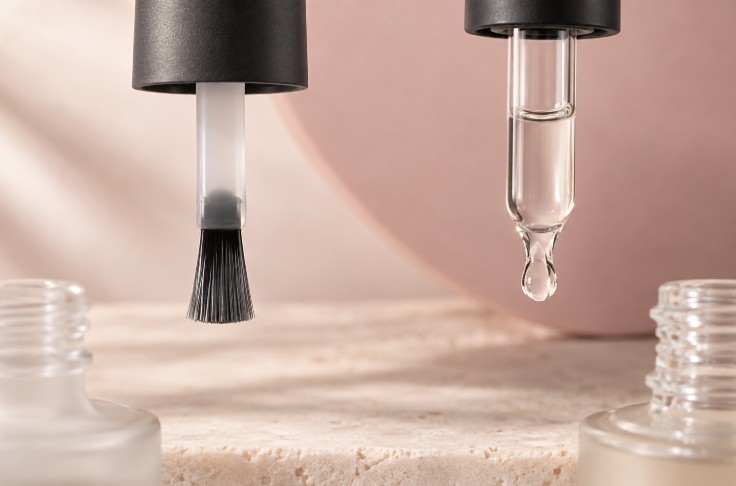
Using Them Without Causing the Problem You Are Trying to Fix
Both products are generally used sparingly, but the bottle directions take priority. Let an air drying prep product evaporate as instructed before the next step, and do not guess a cure time or put it under a lamp unless the manufacturer says to.
Primer goes on more sparingly still, and acid based primer especially so. It belongs on the nail plate only, and skin contact is the thing to avoid.
If lifting continues after both products are being used correctly, the cause is probably elsewhere. Prep is one of several possible causes alongside cure, product thickness and cuticle work, and swapping prep brands rarely fixes a problem that started somewhere else.
What Else the Prep Stage Needs
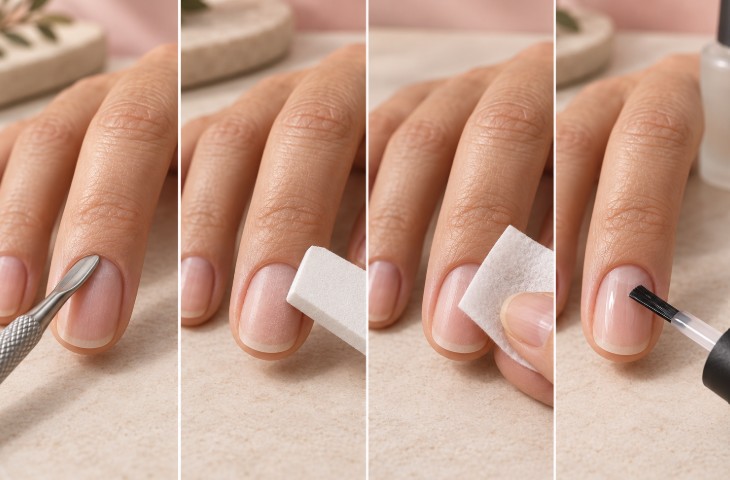
Applying prep too early is the other common error. Dehydrate, then spend five minutes tidying cuticles, and the plate has had time to rehydrate before anything goes on it. Prep last, immediately before the base coat.
How to Choose Between These
If your system permits a dehydrator and you have no lifting
Buy a dehydrator on its own and use the base coat specified for your gel system. Beetles is the practical choice here because it was one of the few sold unbundled. Revisit the primer question only if something changes.
If early lifting persists
A dehydrator plus an acid free bonder is the pairing to try, once cuticle residue, cure, product thickness and system compatibility have been ruled out. Morovan’s 0.5oz version is the most clearly labelled of the options here. A bonder will not compensate for gel that is not curing through.
If you are buying on price
Run the label checks before the price comparison: a legible ingredient list, a named responsible company, clear directions and a stated primer type. Among the listings that pass all four, take whichever is cheapest on the day.
If you specifically want an acid primer
Go to a professional nail supplier rather than a general marketplace. This is a small category on Amazon and the listings that exist are harder to verify.
Frequently Asked Questions
Do I need both a nail primer and a dehydrator?
Not necessarily. Use the preparation products specified for your exact gel system. A primer is usually an additional troubleshooting step rather than something to add automatically.
What is the difference between an acid and an acid free primer?
An acid based primer contains methacrylic acid and slightly etches the nail plate. An acid free primer or bonder is designed to promote adhesion without that etching action. Acid free versions are the type usually paired with soft gel and builder in a bottle systems.
Can I use a dehydrator instead of a primer?
A dehydrator removes surface moisture and oil but does not perform the same bonding function as a primer, so the two are not direct substitutes. Follow the prep sequence specified for your gel system rather than swapping one for the other.
Does nail primer damage your nails?
It can cause harm if misused. Acid primers can irritate or burn skin, and acrylate containing nail products can cause allergic contact dermatitis. Keep primer off the skin, follow the product directions, and stop if irritation develops.
How long does a bottle of nail dehydrator last?
How fast you get through it depends on how many sets you do, but the stated period after opening is the more common limit for home users. Check the period after opening symbol on the packaging rather than buying the largest bottle available.
Can I use nail primer with HEMA free gel?
Compatibility depends on the system, so check both manufacturers’ instructions. A HEMA free claim also does not mean a product is free from every acrylate or that allergy risk is removed, so keeping uncured product off the skin remains the priority.
Sources and Verification Notes
- European Commission: TPO in nail products, questions and answers (EU regulatory status; accessed 16 September 2026).
- Health Products Regulatory Authority: TPO added to the EU prohibited list (what TPO does in UV cured nail products; accessed 16 September 2026).
- UK TPO Gel Nail Ban: The 2026 Dates and What They Mean for Nail Techs (Great Britain dates and the statutory instrument behind them).
- The five linked Amazon product pages were used only for seller stated pack size, format and formula claims. Marketplace copy can change, so confirm the label on the item delivered.