Why Builder Gel Lifts on Flexible Natural Nails
Builder gel is often seen as the solution for clients with weak, thin, or problematic nails. It promises strength, structure, and long-lasting wear—especially when regular gel polish or rubber base fails. Yet one of the most common frustrations nail professionals face is builder gel lifting, particularly on flexible natural nails.
What makes this issue confusing is that lifting often happens even when everything appears to be done correctly. The prep is clean, the product is high quality, the lamp is appropriate, and the application looks flawless. Still, days or weeks later, the product begins to separate from the natural nail.
The reason for this lies not in a single mistake, but in how flexible nails behave under stress—and how builder gel responds to that movement.
Understanding this interaction is the key to preventing lifting long-term.
Understanding Flexible Natural Nails
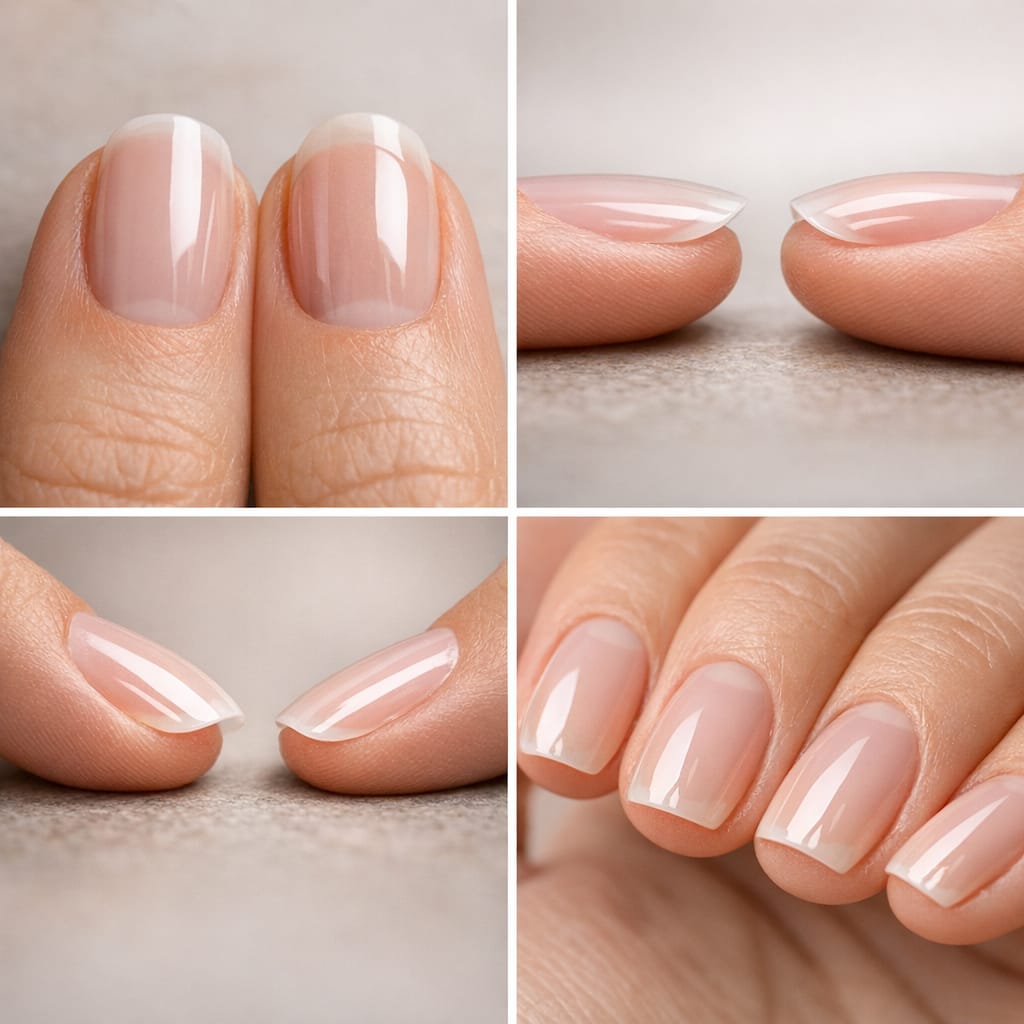
Not all natural nails behave the same. Some are naturally rigid, while others are soft and highly flexible. Flexible nails bend easily under pressure, temperature changes, or daily activities such as typing, cleaning, or gripping objects.
This flexibility is not a flaw. It is a natural characteristic influenced by genetics, hydration levels, health, and nail plate thickness. However, flexibility becomes a challenge when rigid products are applied without adapting the structure to the nail’s movement.
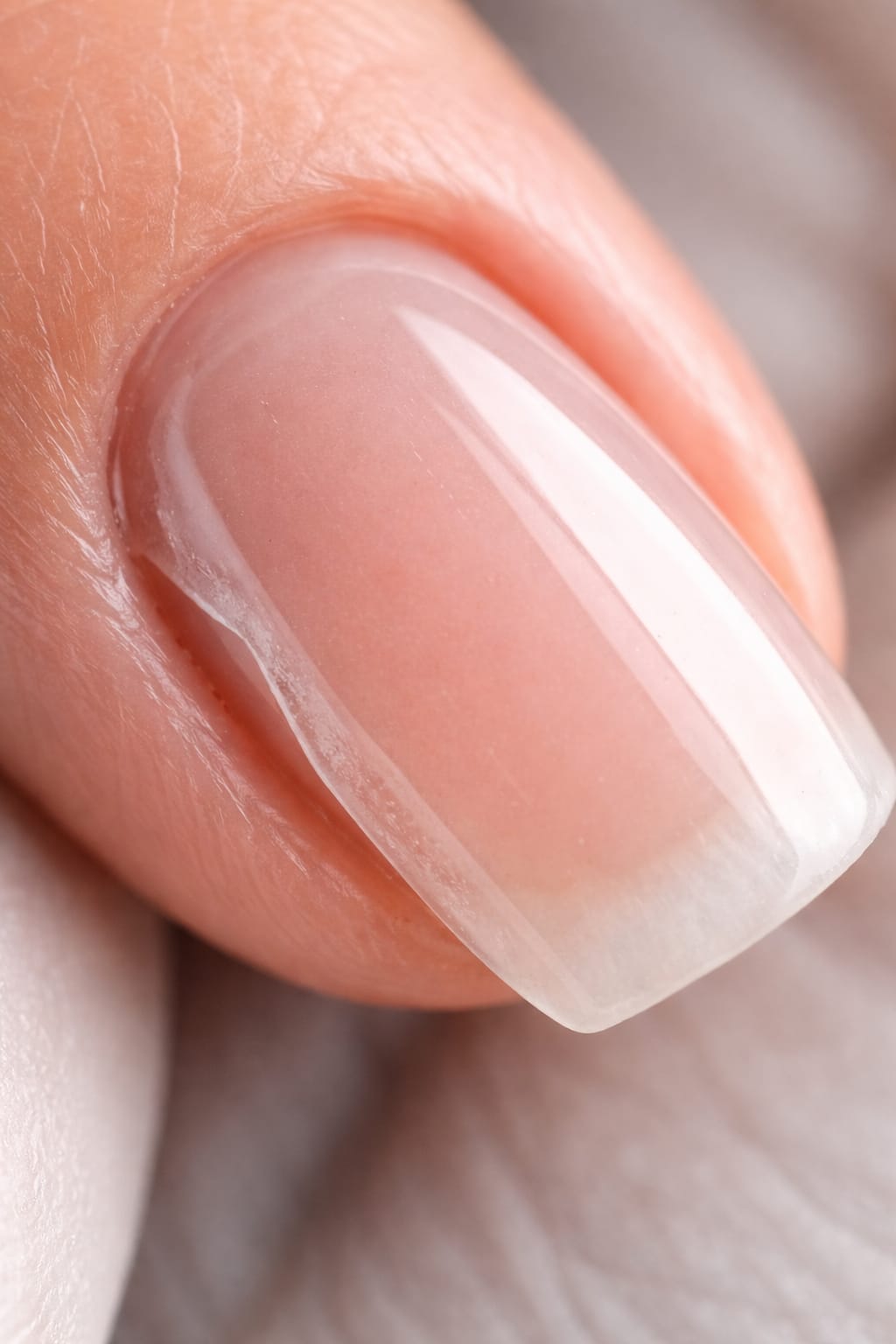
Flexible nails do not remain static. They constantly expand, contract, and bend. When a product cannot move with the nail, stress builds at the adhesion points—especially near the cuticle and sidewalls.
That stress is where lifting begins.
Why Builder Gel Struggles on Flexible Nails
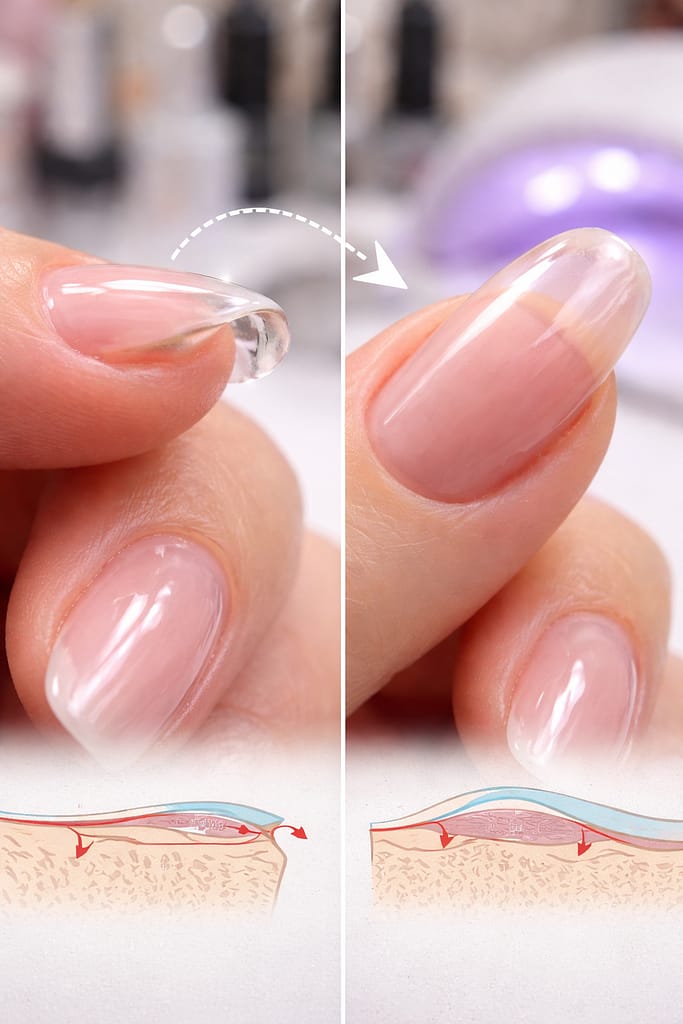
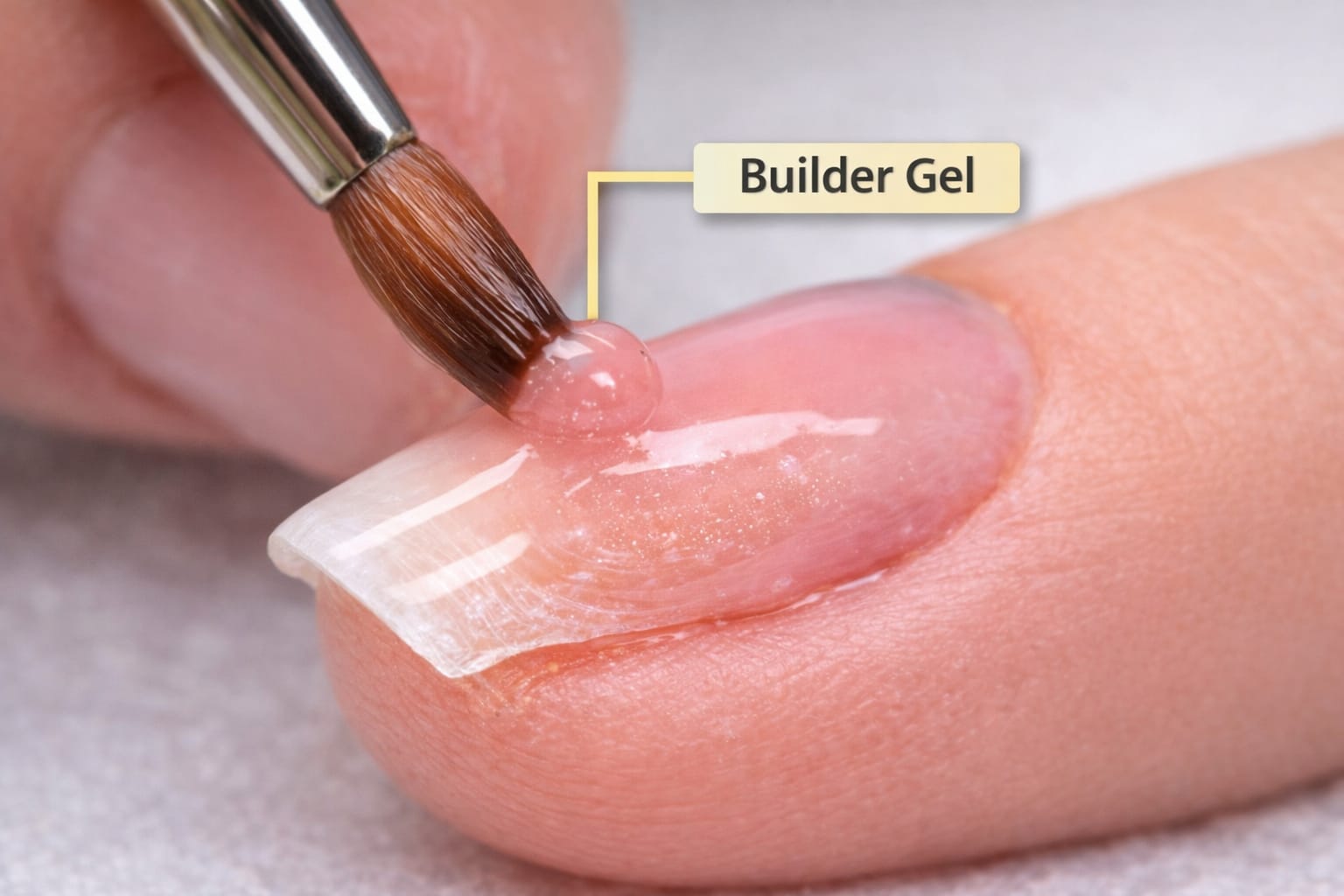
Builder gel is designed to create structure. Compared to rubber base or soft gel polish, it has a higher density and lower flexibility. This is what makes it excellent for strength—but also what makes it unforgiving on certain nail types.
On a flexible natural nail, builder gel and the nail plate are often working against each other.
The natural nail bends.
The builder gel resists bending.
Over time, this constant push and pull weakens adhesion.
Lifting rarely happens immediately. It develops gradually as micro-movements break down the bond between the gel and the natural nail. This is why many sets look perfect at first and fail later.
The Role of Structural Balance
One of the most overlooked causes of lifting is structural imbalance.
Builder gel is not just about adding product—it is about distributing stress correctly across the nail. On flexible nails, poor structure amplifies movement rather than controlling it.
Common structural issues include:
- Apex placed too far forward or too flat
- Insufficient thickness in the stress area
- Overbuilt free edge with a weak cuticle zone
- Incorrect sidewall support
When the apex is too flat, the nail flexes more easily. When the cuticle area is too thin, lifting starts from the base. When the free edge is too thick, leverage increases.
Each imbalance increases tension on the adhesion layer.
Prep Is Necessary—but Not the Whole Story
Prep mistakes are often blamed for lifting, but on flexible nails, prep is rarely the main issue. Lifting is often blamed on poor preparation, but in many cases the real cause is structural imbalance rather than surface issues, which is also why gel enhancements fail, as explained in our guide on why gel nails lift.
That said, prep must be appropriate, not aggressive.
Over-prepping flexible nails can actually worsen lifting. Excessive filing thins the nail plate, increasing flexibility and making it harder for rigid products to stay bonded.
Effective prep for flexible nails focuses on:
- Gentle removal of surface shine
- Thorough cleansing without dehydration
- Minimal abrasion
- Balanced pH control
The goal is to create a clean surface without weakening the nail.
Product Compatibility Matters More Than Brand
Many professionals assume that lifting means the product is low quality. In reality, even premium builder gels can fail if they are not compatible with the nail type.
Some builder gels are formulated to be extremely hard after curing. These are ideal for rigid nails but problematic for flexible ones.
On flexible nails, slightly more elastic builder gels—or builder gels layered over a flexible base—often perform better.
Using builder gel alone on a highly flexible nail creates a stiffness mismatch. The nail moves, the gel doesn’t, and lifting follows.
The Importance of a Flexible Foundation
One of the most effective strategies for preventing lifting is creating a flexible foundation layer.
This usually means applying a thin layer of rubber base or a flexible bonding base underneath the builder gel. This layer acts as a shock absorber, allowing slight movement while maintaining adhesion.
Without this buffer, the builder gel absorbs all mechanical stress directly—and eventually releases.
This step alone dramatically improves retention on flexible nails when done correctly.
Application Thickness and Control
Thickness is not about making the nail bulky. It is about reinforcing the stress points.
Builder gel applied too thinly on flexible nails lacks the strength to control movement. Applied too thickly, it increases leverage and stress at the base.
The key is controlled thickness:
- Reinforced apex
- Smooth transition into the cuticle
- Balanced sidewalls
- Lightweight free edge
When thickness is intentional, the nail bends less—and adhesion lasts longer.
Curing and Lamp Accuracy
Flexible nails are more sensitive to under-curing issues.
If the builder gel is not fully cured, it remains slightly unstable, increasing the risk of lifting under movement. This often happens when lamps are underpowered or incompatible with the product.
A gel that appears cured on the surface may still be unstable underneath, especially in thicker areas.
Consistent curing with the correct lamp is essential—not optional.
Daily Stress and Client Lifestyle
Builder gel lifting is not only about application. Client habits play a significant role, especially with flexible nails.
Frequent exposure to water, temperature changes, manual work, and pressure accelerates stress on the nail system.
Flexible nails already move more. Add daily stress, and lifting becomes almost inevitable without proper structure.
Educating clients on nail care—gloves, gentle use, and hydration—supports retention just as much as technical skill.
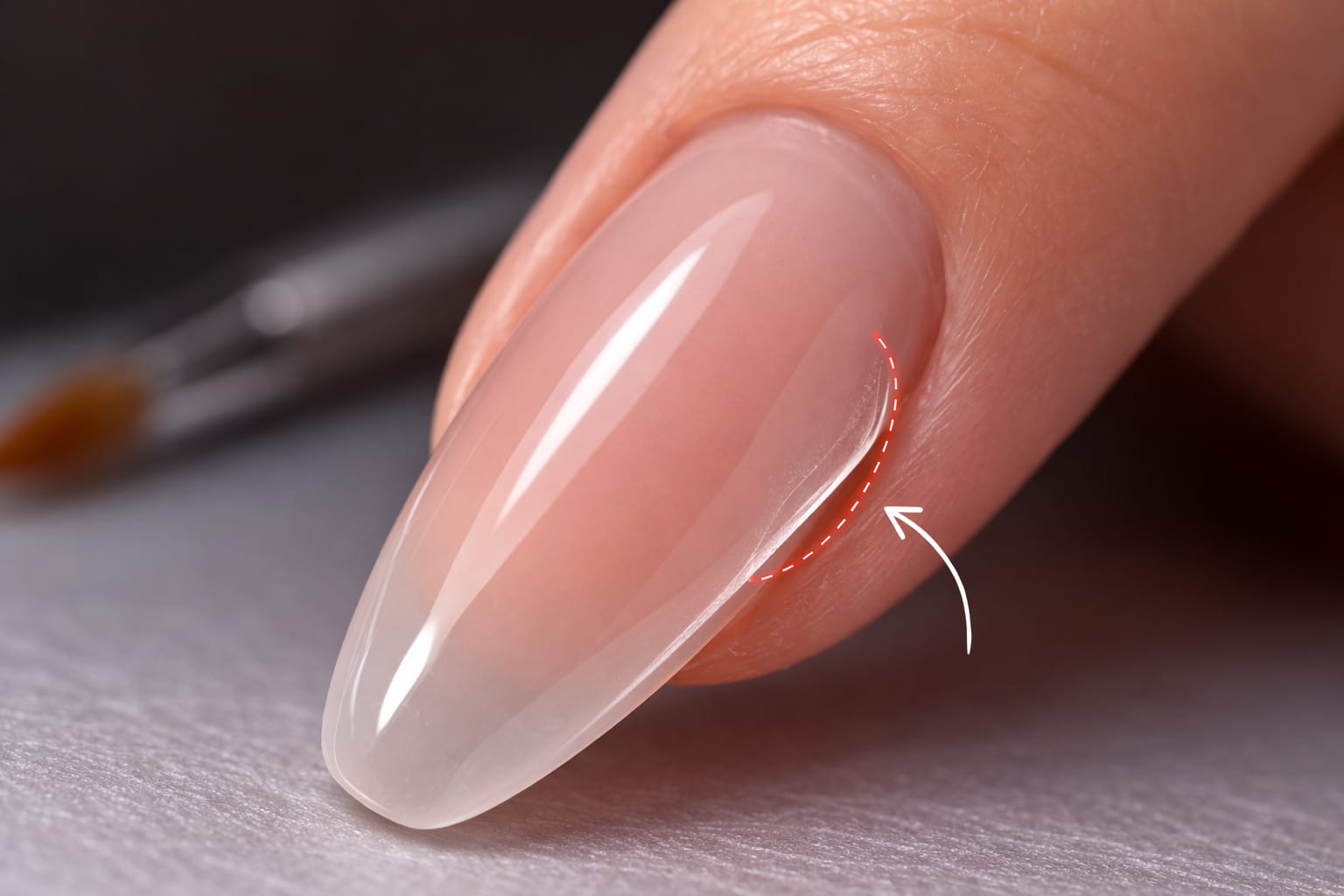
Why Lifting Often Starts at the Cuticle
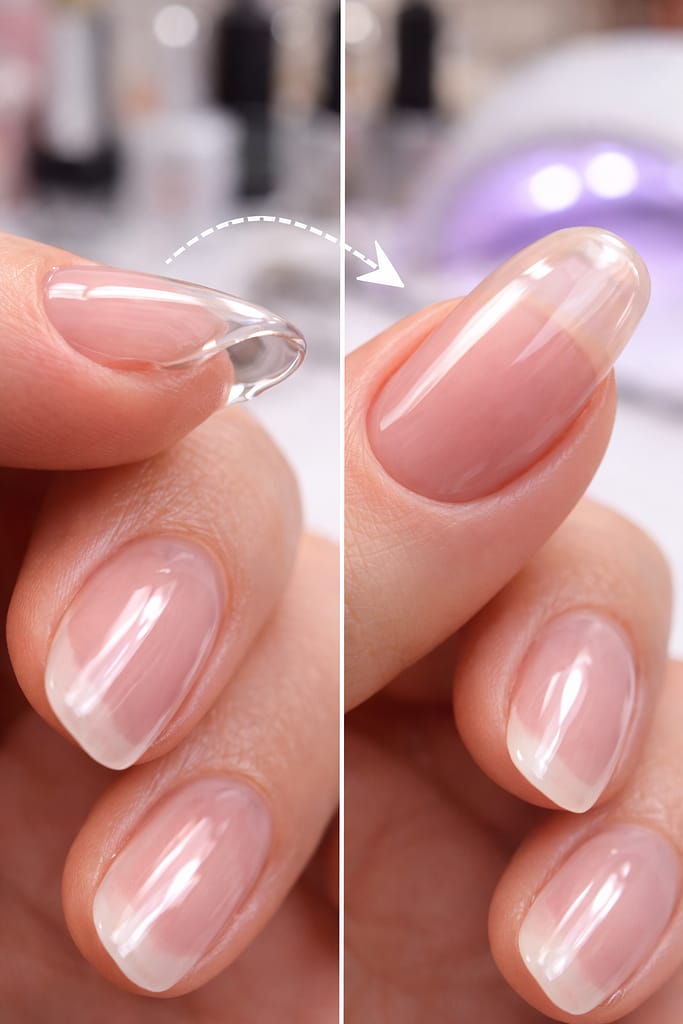
On flexible nails, lifting commonly begins at the cuticle area. This zone experiences constant micro-movement as the nail grows and bends.
If the cuticle area is too thin, improperly sealed, or structurally unsupported, it becomes the weakest point.
Builder gel must taper seamlessly into the natural nail while maintaining enough strength to resist movement.
Too thin = lifting.
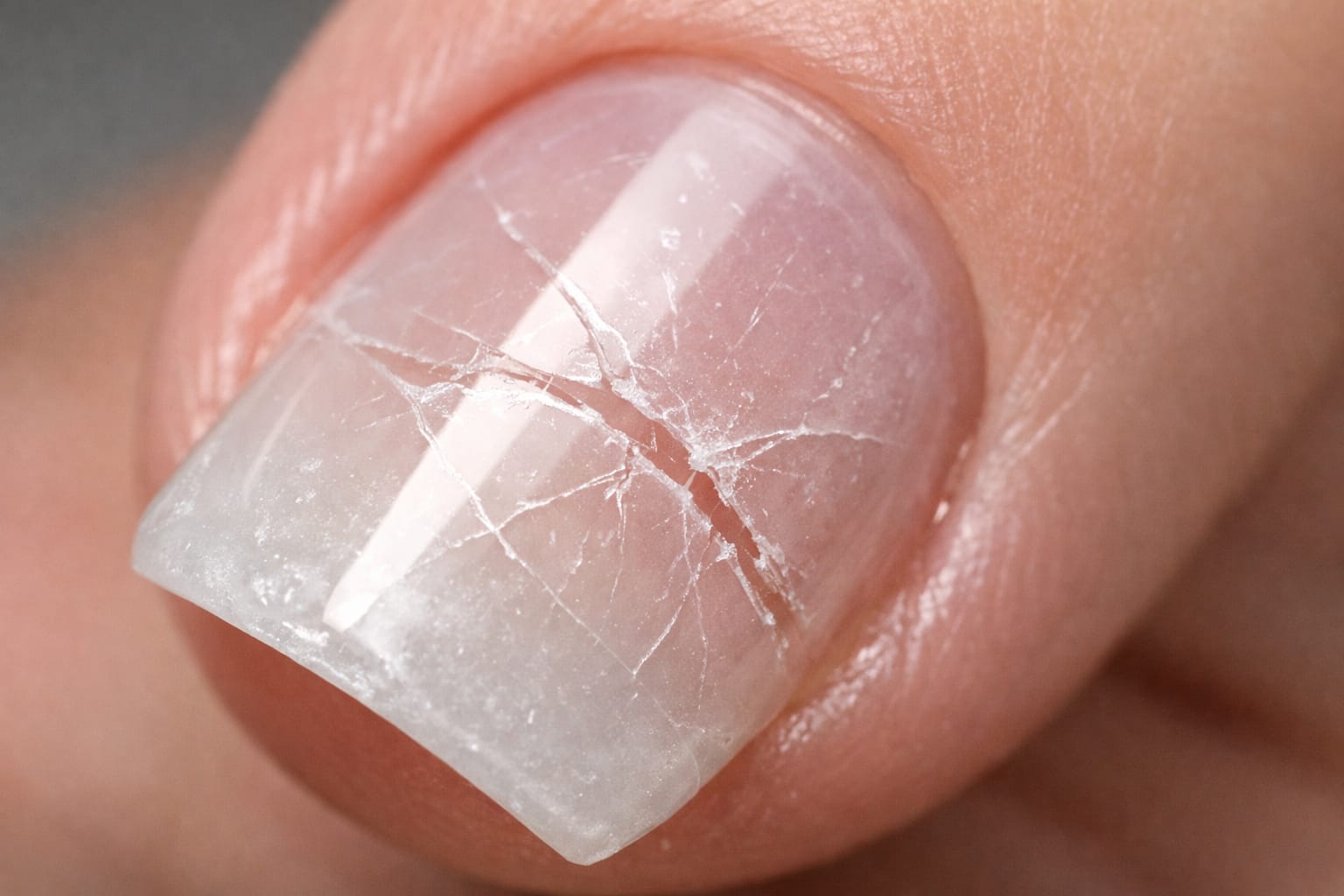
Too thick = rigidity and cracking.
Balance is everything.
Builder Gel Is Not a One-Size-Fits-All Solution
One of the biggest misconceptions in nail enhancement is that builder gel works the same for everyone.
It doesn’t.
Flexible natural nails require a different approach—one that prioritizes movement control, product compatibility, and structural design.
When builder gel is adapted to the nail rather than forced onto it, lifting becomes rare instead of routine.
Final Thoughts
Builder gel lifting on flexible natural nails is not a mystery, and it is not a failure of skill or product. It is a structural and mechanical issue rooted in how different materials interact over time.
Once you understand that flexible nails need support, balance, and adaptability—not just strength—you can design systems that actually last.
Retention is not about making nails harder.
It is about making them work with the nail, not against it.