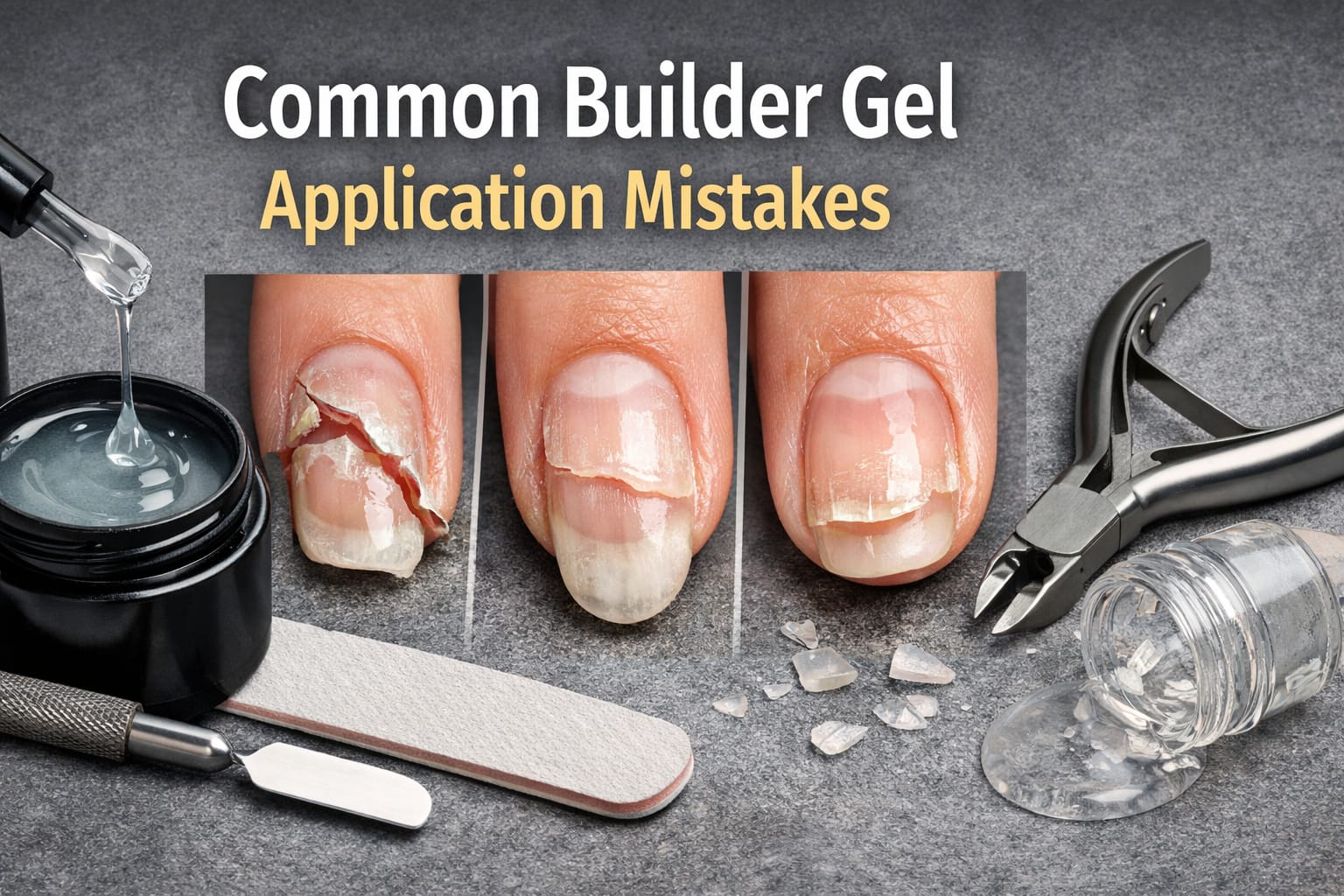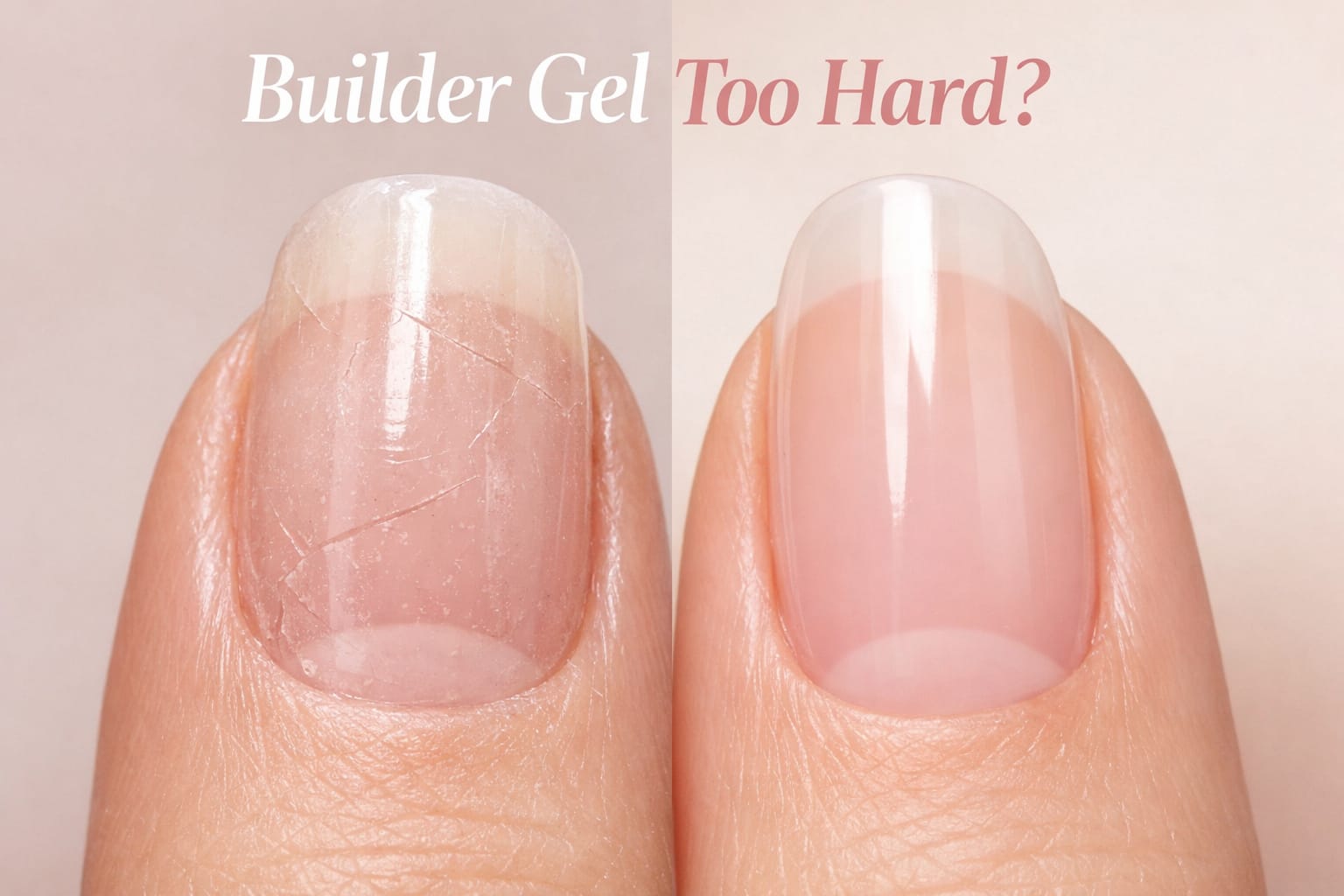
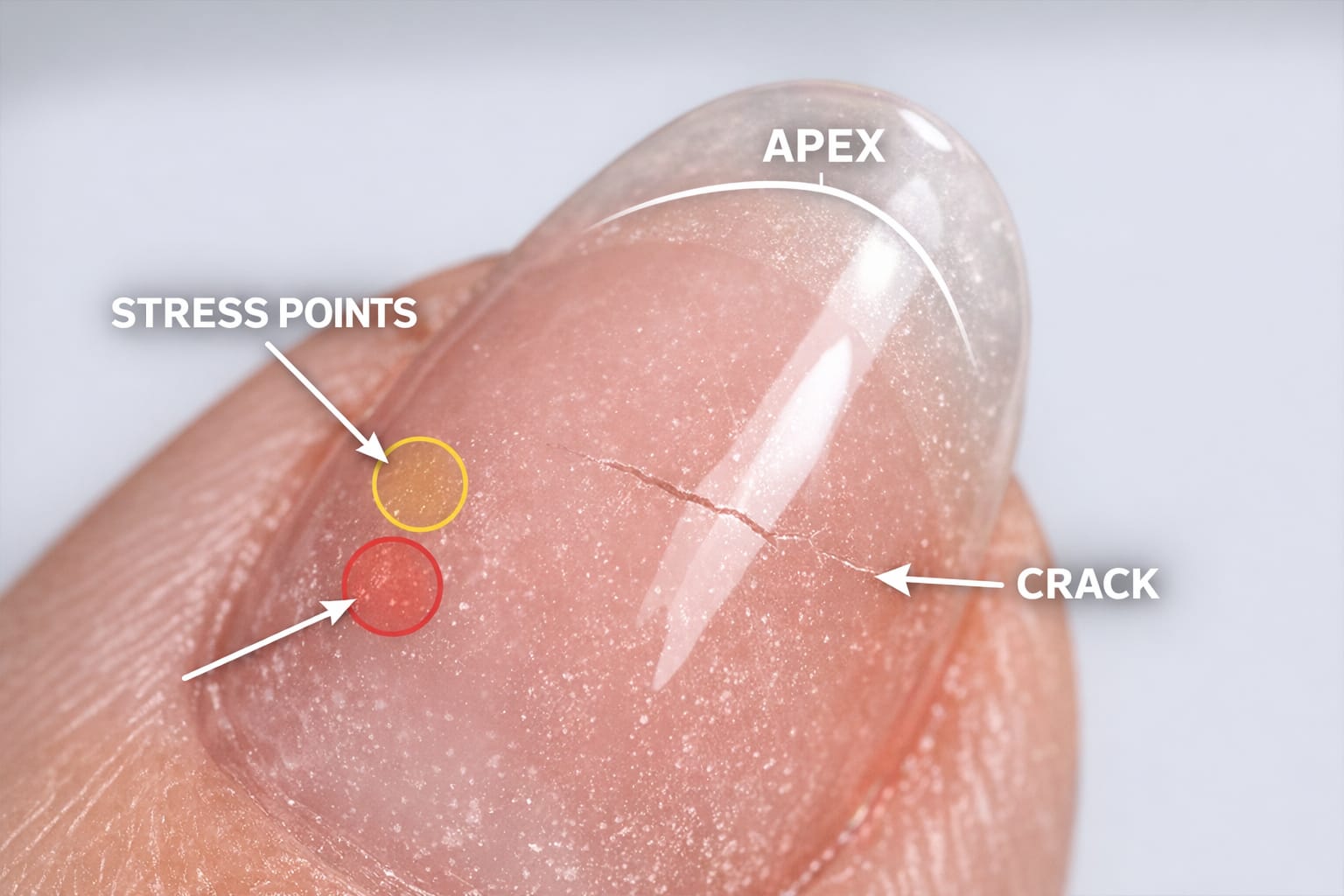
Why Builder Gel Cracking Happens Even When Applied “Correctly”
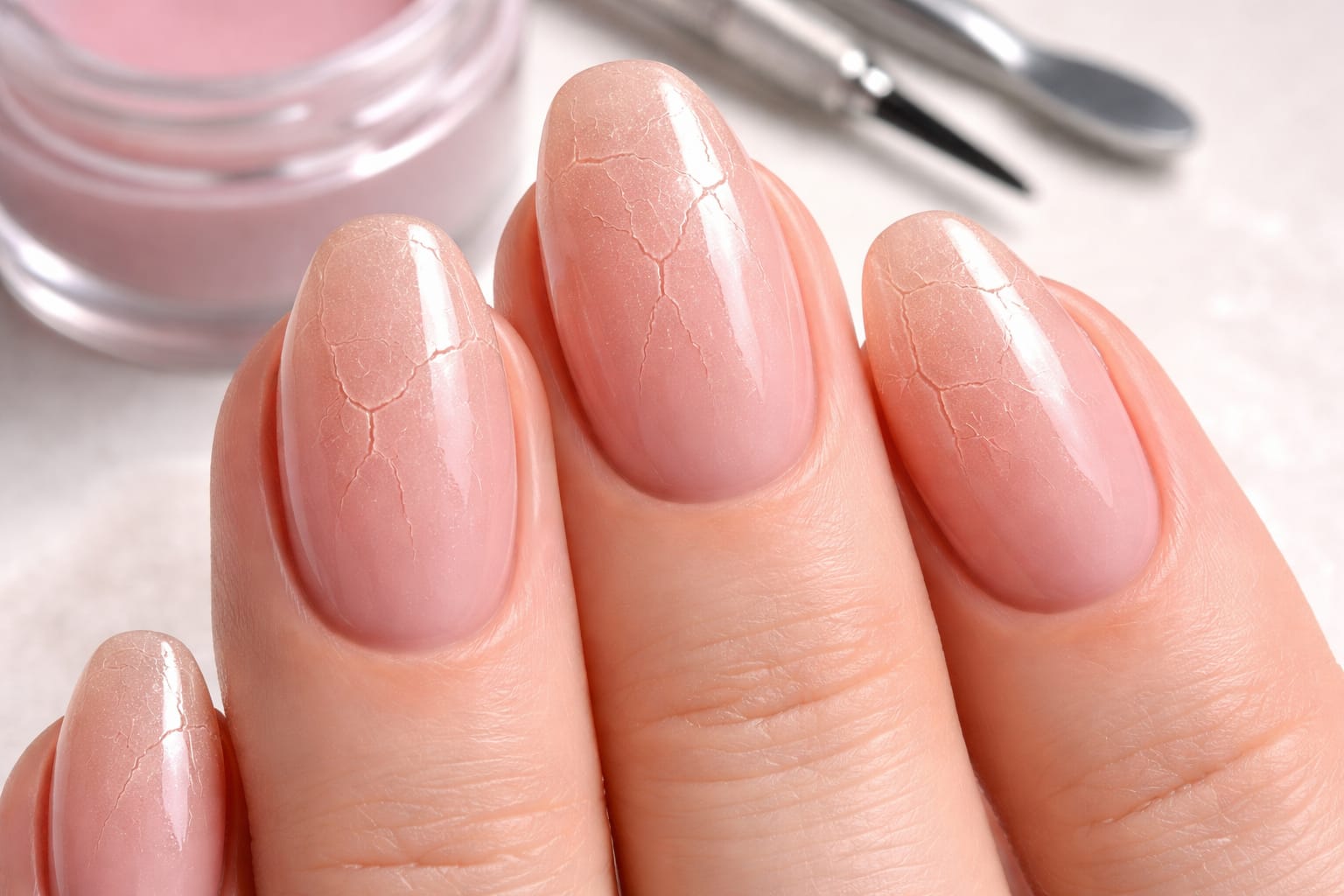
Builder gel cracking is one of the most common — and most misunderstood — problems nail professionals encounter. This type of builder gel cracking often appears even when the application looks technically perfect. Even when the application appears flawless, with proper prep, high-quality products, correct lamp choice, and adequate curing, cracks can still develop days or even weeks later.
This happens because cracking is rarely an instant failure or a sign of poor workmanship. Instead, it is the result of ongoing structural stress created by the interaction between the natural nail and the builder gel over time. Builder gel does not simply coat the nail; it becomes part of a structural system that must endure constant movement, pressure, and real-life wear.
Understanding how this system behaves is essential to preventing builder gel cracks long-term.
Cracking Is a Structural Problem, Not a Surface One
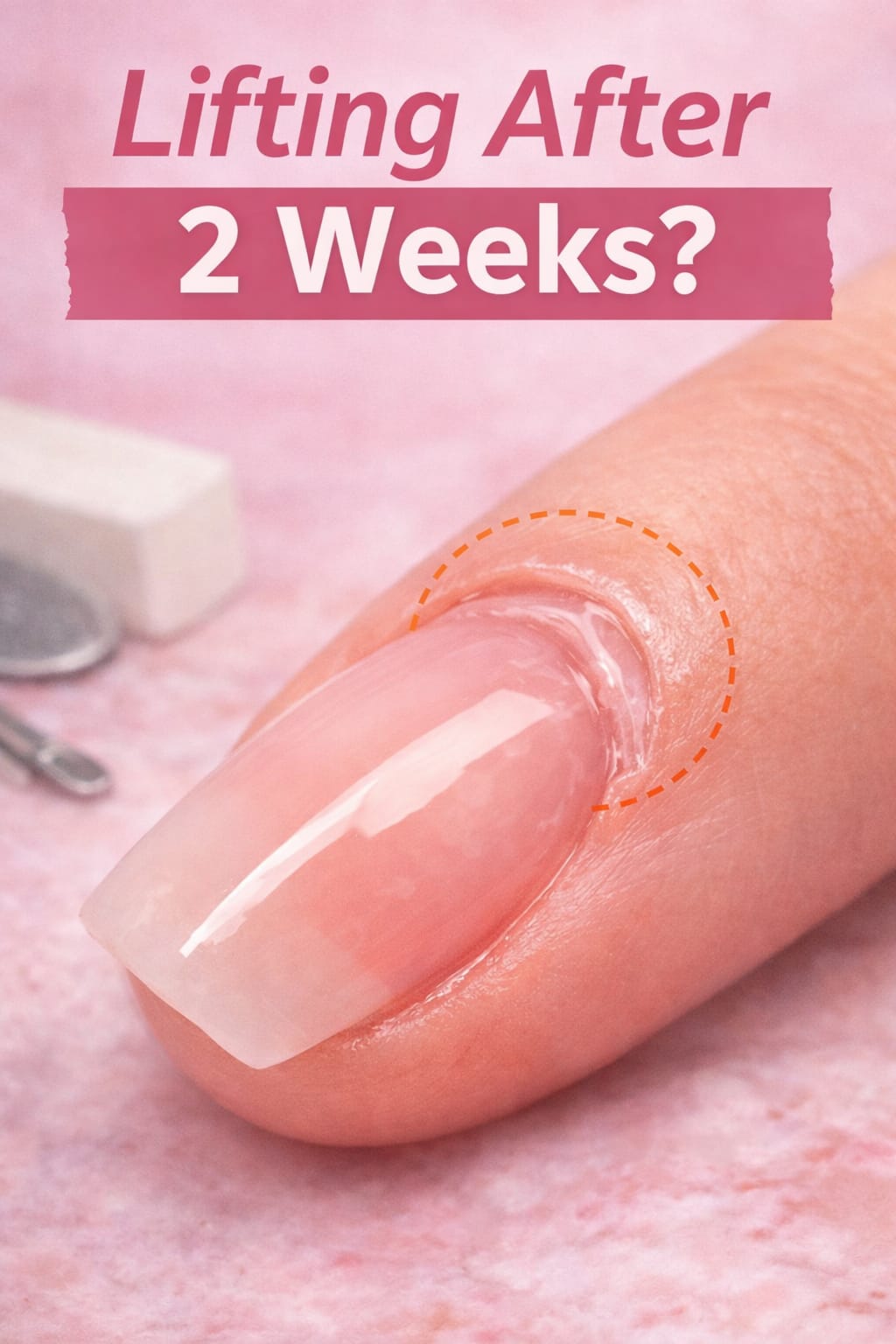
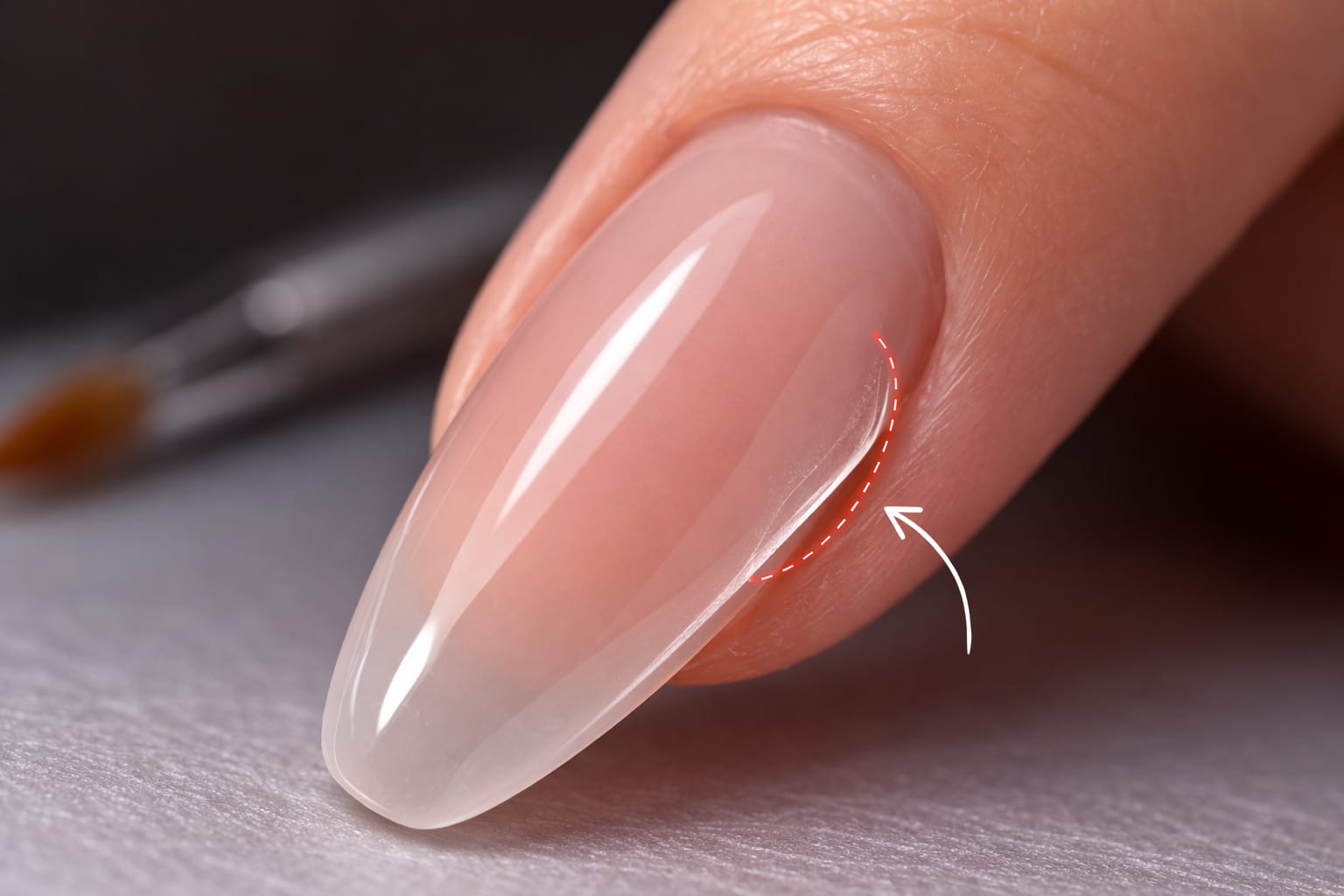
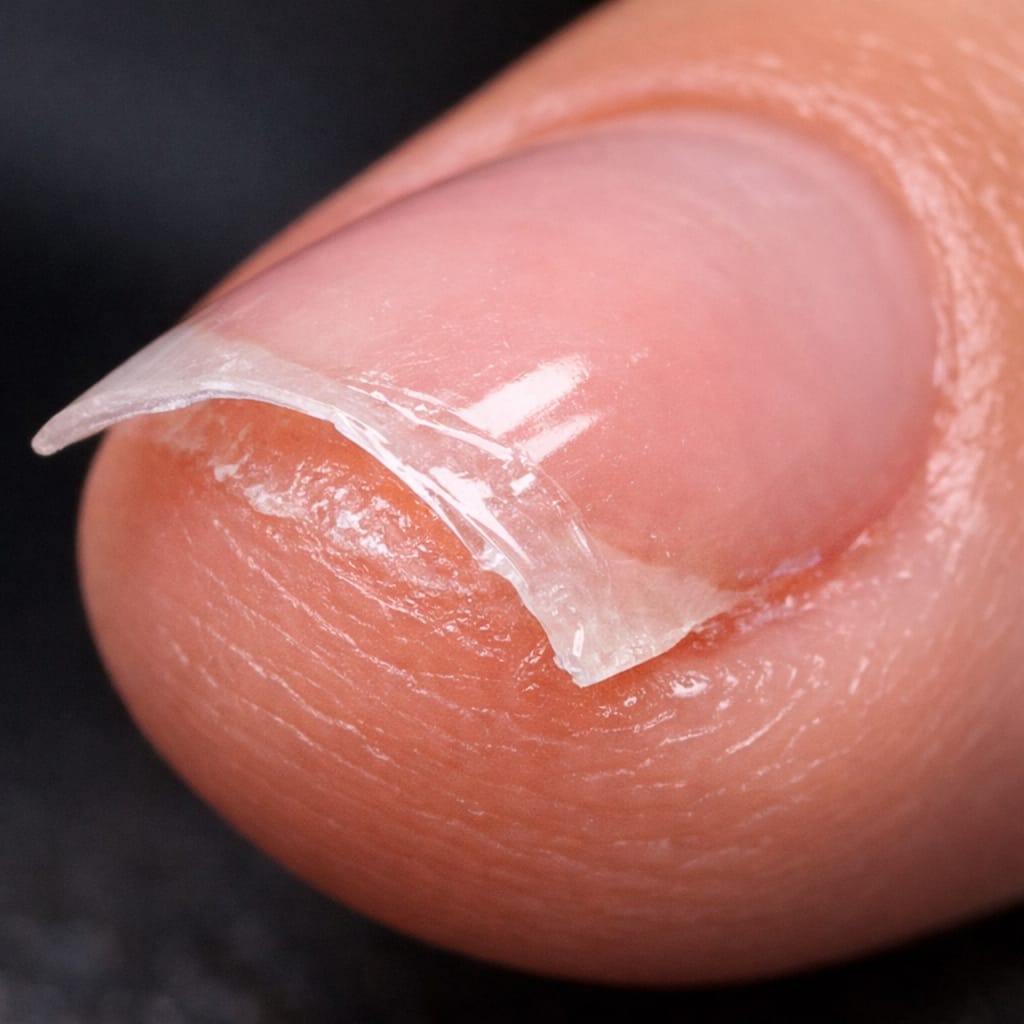
Cracks are often mistaken for lifting or chipping, but they develop in a completely different way.
Lifting starts at the edges.
Cracking begins within the structure itself.
Builder gel forms a rigid shell over the natural nail. When that shell cannot adapt to the nail’s natural movement, internal stress builds beneath the surface. The nail may look perfect externally, but pressure continues to accumulate until it releases as a visible crack.
Cracking is not about appearance — it is about balance.
Natural Nail Flexibility Plays a Bigger Role Than Most Realize
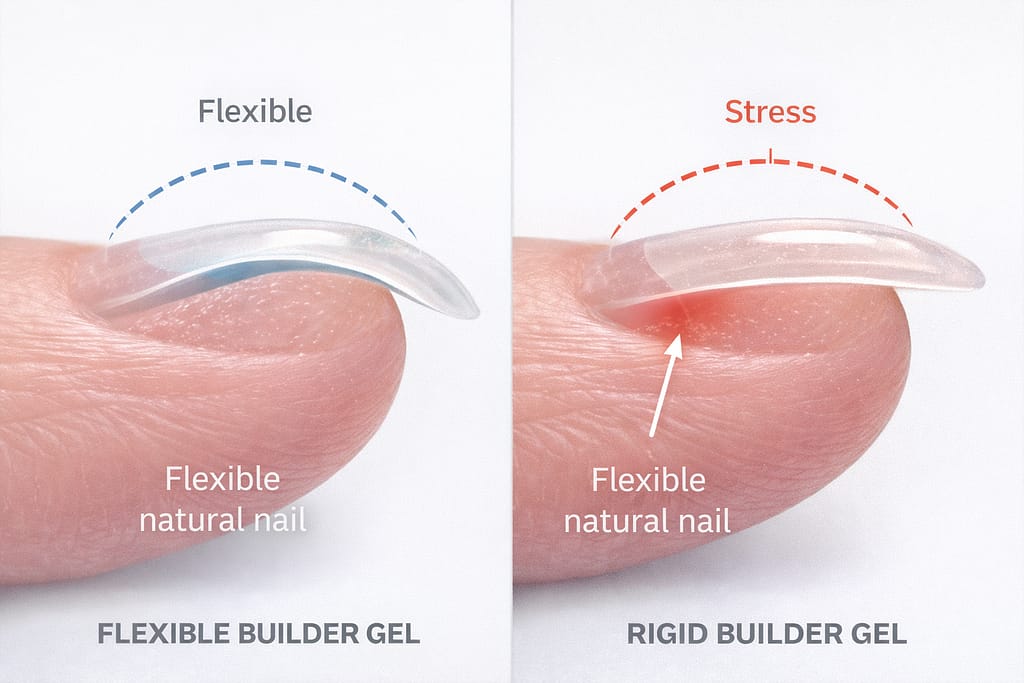
Every natural nail has its own flexibility range. Some nails bend easily, while others remain relatively firm under pressure.
Cracking becomes more likely when:
- A very rigid builder gel is applied to a highly flexible nail
- The structure is built too flat for the nail’s length
- Stress points are not properly supported
When the natural nail flexes and the builder gel does not, microscopic movement occurs within the structure. Over time, this repeated movement weakens the gel from the inside, eventually leading to cracks.
Why Short Nails Can Still Crack
Cracking is not limited to long nails.
Short nails are vulnerable when:
- The apex is missing or incorrectly placed
- Stress areas are too thin
- The free edge absorbs daily impact without reinforcement
Length does not determine durability. Structure does.
Strength and Durability Are Not the Same Thing
One of the most common misconceptions is that harder builder gels automatically create stronger nails.
In reality:
- Hardness resists dents
- Balance resists breakage
A gel that is too rigid may hold its shape perfectly while failing under repeated stress. True durability comes from controlled flexibility, not extreme hardness.
When High-Quality Builder Gels Still Crack
Even premium builder gels can crack when:
- The cured surface is over-filed
- The structure is designed for aesthetics rather than function
- The same application technique is used on every client
Builder gel is not a one-size-fits-all product. It must be adapted to the specific nail it is applied to.
Apex Placement Is More Important Than Thickness
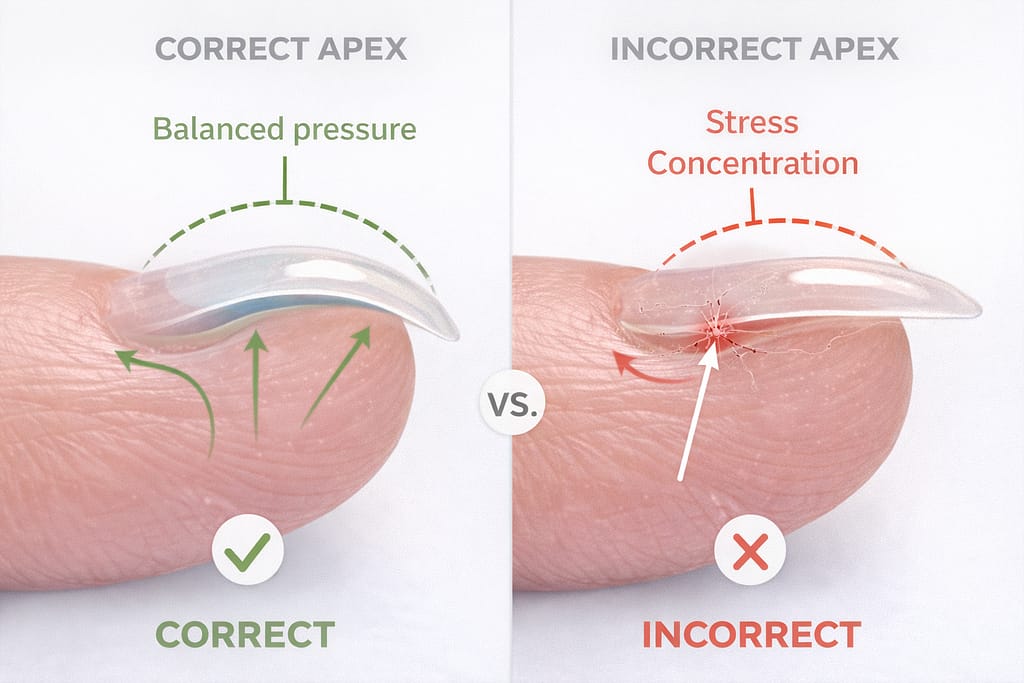
Many professionals assume cracking is caused by thin application. In practice, incorrect apex placement is a far more common cause.
A well-placed apex:
- Distributes pressure evenly
- Reduces stress on the free edge
- Stabilizes the nail during daily use
When the apex is positioned too far forward, built too flat, or lacks balance, stress concentrates in a single area — making cracking inevitable.
Common Apex Placement Mistakes
- Adding height without considering balance
- Following trends instead of nail anatomy
- Using identical apex placement on every nail
Structure should always support function first.
Client Lifestyle Has a Direct Impact on Cracking
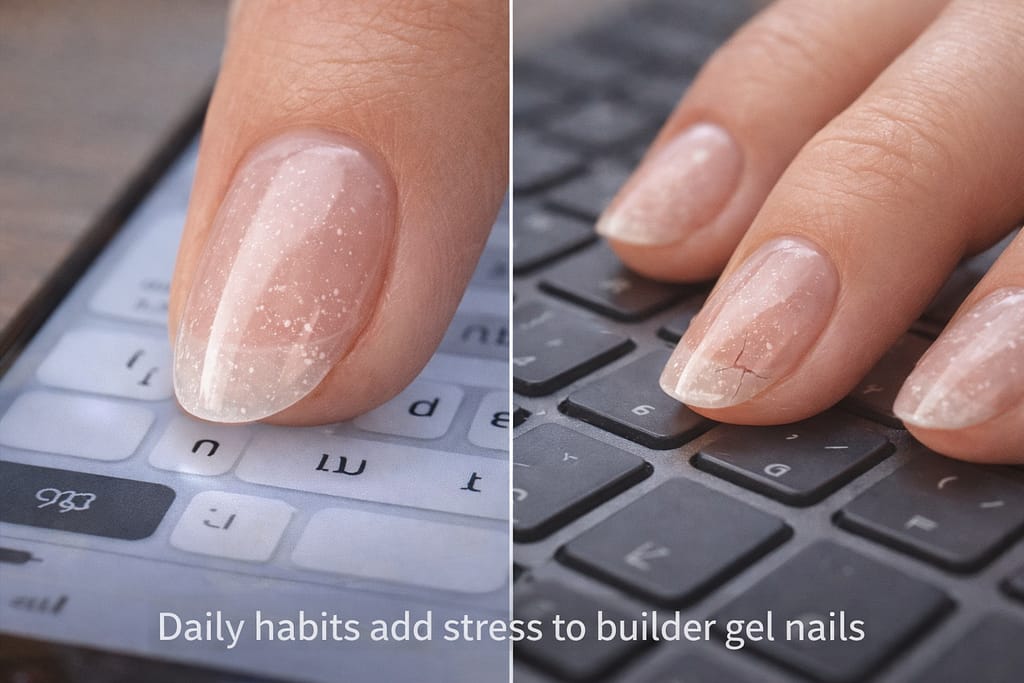
Not all cracks are caused by technique alone.
Daily habits such as:
- Repetitive tapping on hard surfaces
- Frequent exposure to temperature changes
- Using nails as tools
place continuous stress on the nail structure. If the builder gel is not designed to handle the client’s lifestyle, cracks can occur even when the application itself is technically correct.
How Cracking Should Be Diagnosed
Instead of asking what went wrong, a more effective question is what the crack is communicating.
Important clues include:
- Where the crack begins
- How long after application it appears
- Whether it occurs on multiple nails or only specific ones
Cracking patterns are never random. They reflect how stress moves through the nail structure over time.
Preventing Builder Gel Cracks Long-Term
There is no builder gel that never cracks.
Long-term prevention comes from:
- Matching product flexibility to the natural nail
- Designing structure to absorb movement
- Adjusting technique for each individual client
When the nail and the structure work together, cracking stops — even without changing products.
Final Thoughts
Builder gel cracking is not a failure. It is feedback.
Every crack reveals something about structure, balance, and nail behavior. When nail professionals focus less on hardness and more on intelligent structural design, results improve naturally.
Strong nails are important.
But nails that survive real life matter more.