Builder Gel vs BIAB: What’s the Real Difference?
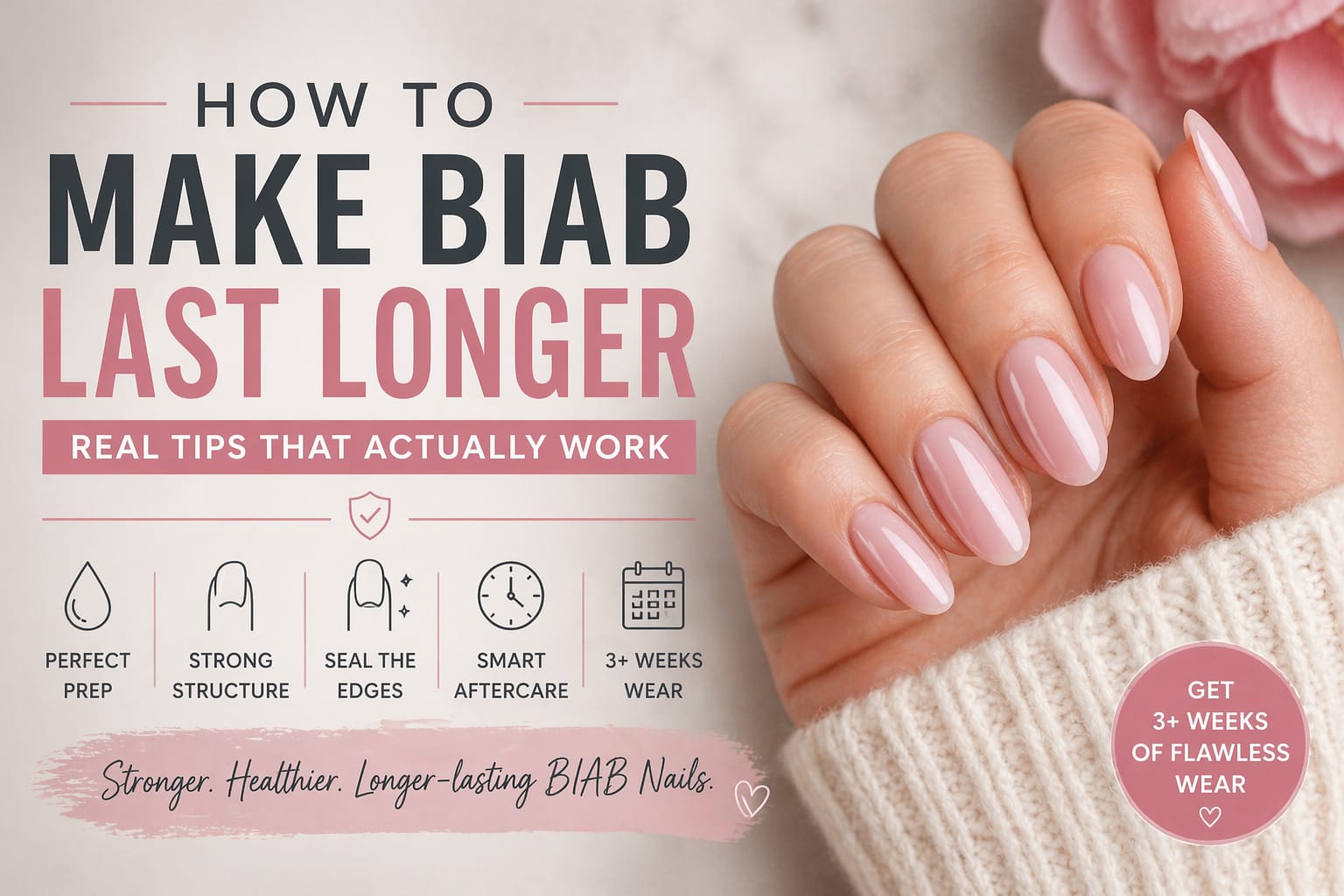
Builder gel and BIAB (Builder in a Bottle) are two of the most popular products used in modern nail services to strengthen natural nails and create long-lasting manicures. At first glance, they may appear very similar because both products are designed to add structure and durability to the nail.
However, builder gel and BIAB are not exactly the same. They differ in consistency, flexibility, application method, and the type of nail services they are best suited for.
For nail technicians and clients, understanding the difference between builder gel and BIAB is important when choosing the right system for natural nails or structured manicures.
Both products belong to the family of hard gel or structured gel systems, but their formulation and purpose can vary depending on the brand and application technique.
In this guide, we will explore how builder gel and BIAB work, the key differences between them, and when each system might be the better choice.
What Is Builder Gel?
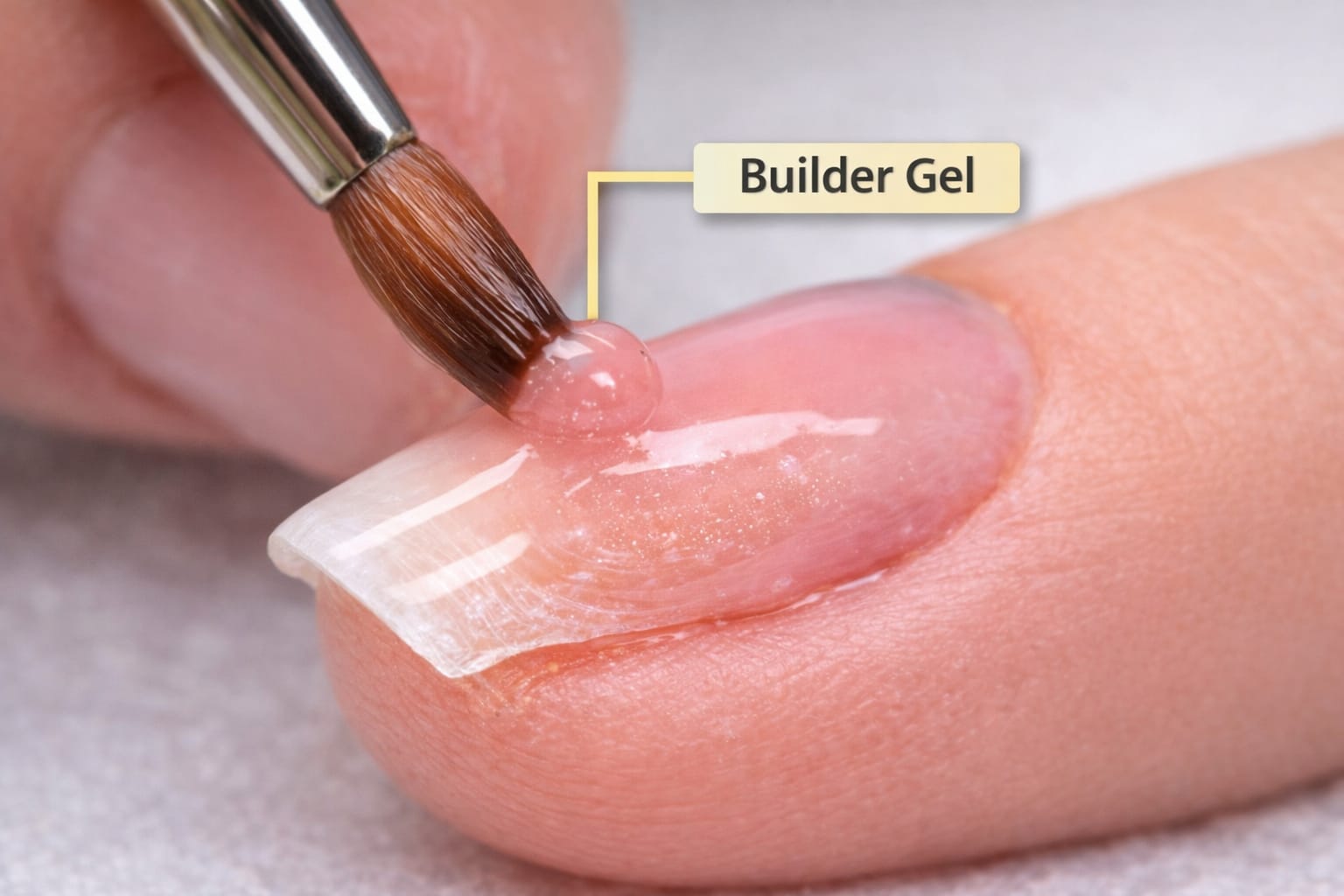
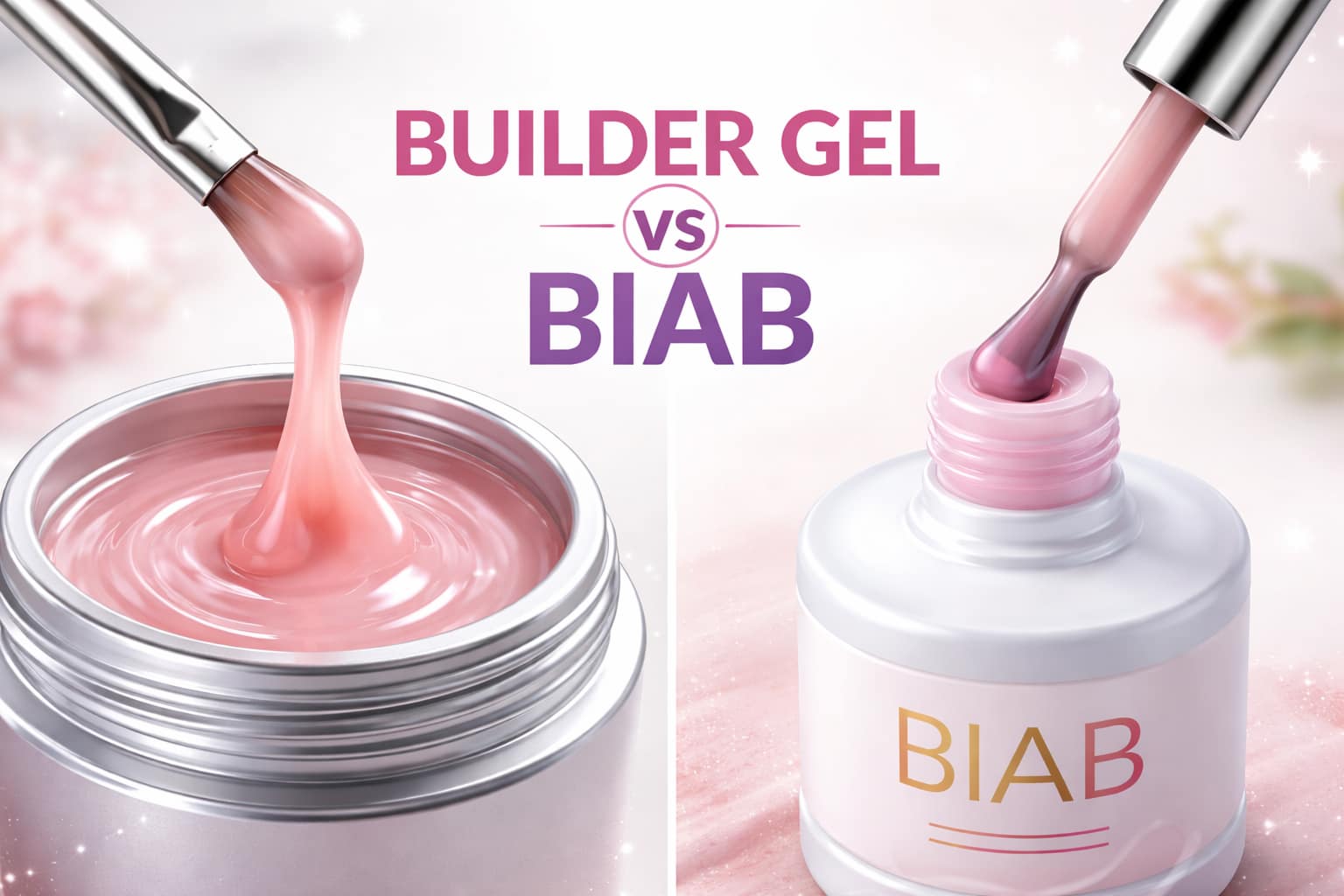
Builder gel is a thick gel product designed to build strength and structure on the natural nail. It is usually packaged in a pot or jar and applied with a separate nail brush.
Once applied, builder gel is cured under a UV or LED lamp to harden and create a durable overlay.
Builder gel is widely used in professional nail services because it allows technicians to sculpt and shape the nail more precisely. Due to its thicker consistency, it can also be used to create nail extensions, overlays, and structured manicures.
Common uses of builder gel
Builder gel can be used for a variety of nail services, including:
- Strengthening weak natural nails
- Creating structured overlays
- Building nail extensions using forms
- Correcting nail shape and apex structure
- Adding durability for long-lasting manicures
Because of its versatility, builder gel has been a staple product in nail salons for many years.
Characteristics of builder gel
Builder gel typically has the following characteristics:
- Thicker viscosity
- Strong structural support
- Ability to build extensions
- Requires a separate application brush
- Often used for sculpted nails
These properties make builder gel particularly useful for advanced nail techniques and structural corrections.
What Is BIAB (Builder in a Bottle)?
BIAB stands for Builder in a Bottle, a builder-type gel that comes in a bottle similar to gel polish.
Instead of being applied from a jar with a separate brush, BIAB is applied directly using the brush attached to the bottle cap. This makes the application process quicker and more convenient.
BIAB was developed as a simpler alternative to traditional builder gel systems while still providing strength to natural nails.
It is especially popular for structured manicures and natural nail overlays.
Common uses of BIAB
BIAB is typically used for:
- Strengthening natural nails
- Structured gel manicures
- Encouraging natural nail growth
- Providing extra durability compared to gel polish
Many nail technicians prefer BIAB for clients who want stronger nails but do not need extensions.
Characteristics of BIAB
BIAB usually has the following characteristics:
- Medium viscosity
- Bottle application similar to gel polish
- Flexible structure
- Designed mainly for natural nails
- Faster application time
These features make BIAB particularly attractive for salon services that require efficiency and consistent results.
Key Differences Between Builder Gel and BIAB
Although builder gel and BIAB serve similar purposes, several differences set them apart.
Understanding these differences helps nail technicians decide which product is better suited for each client.
Application Method
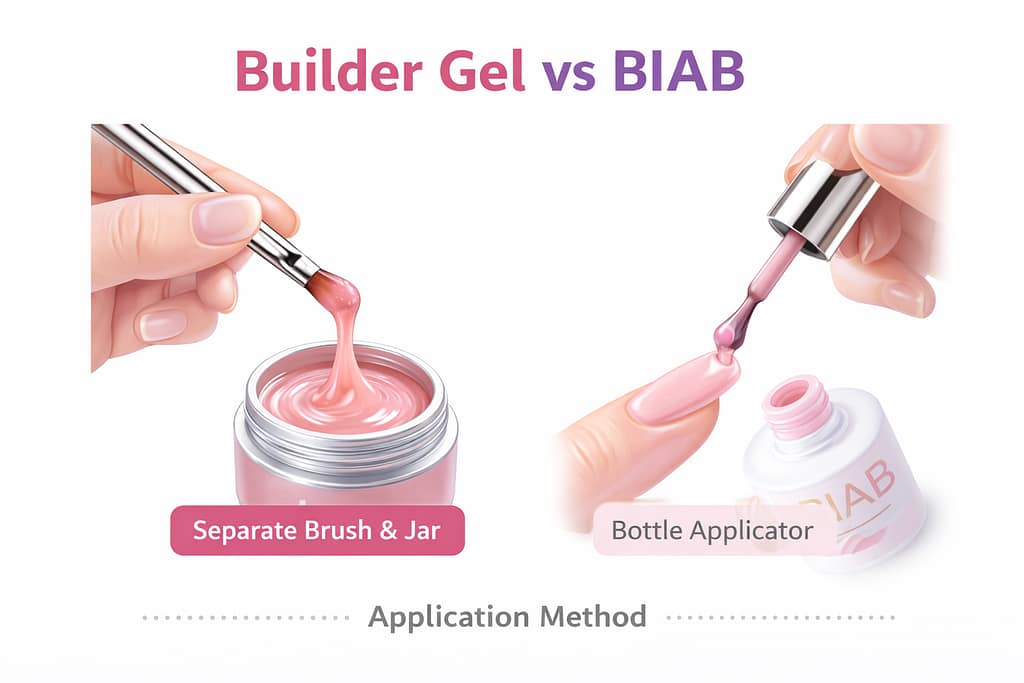
One of the most noticeable differences between builder gel and BIAB is the application method.
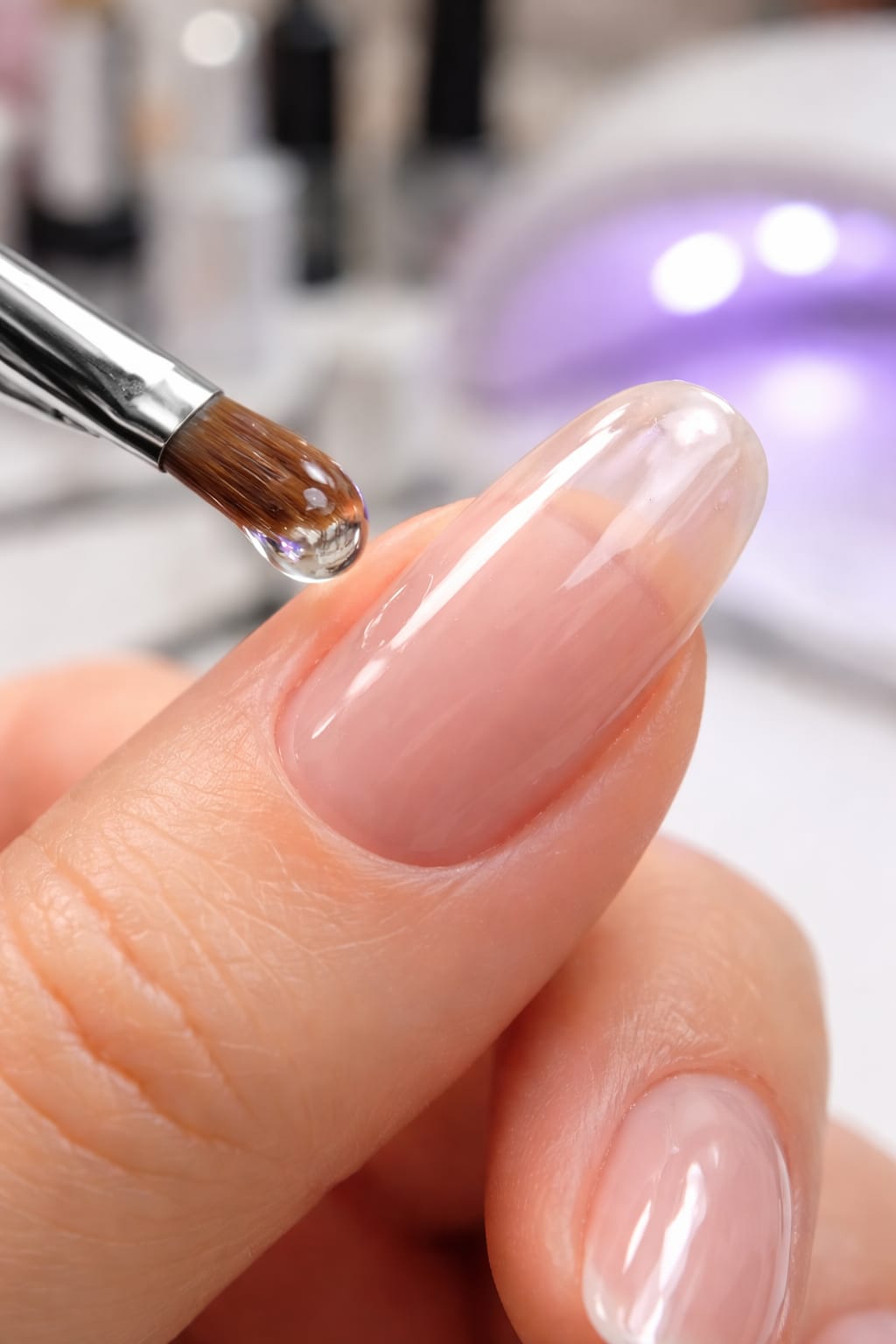
Builder gel is applied using a separate nail brush from a jar or pot. This allows technicians to carefully control the amount of product and sculpt the nail structure.
BIAB, on the other hand, is applied directly from a bottle brush. The process is similar to applying gel polish, which makes it easier and faster to use.
Because of this difference, BIAB is often considered more beginner-friendly, while builder gel offers greater precision for experienced technicians.
Thickness and Structure
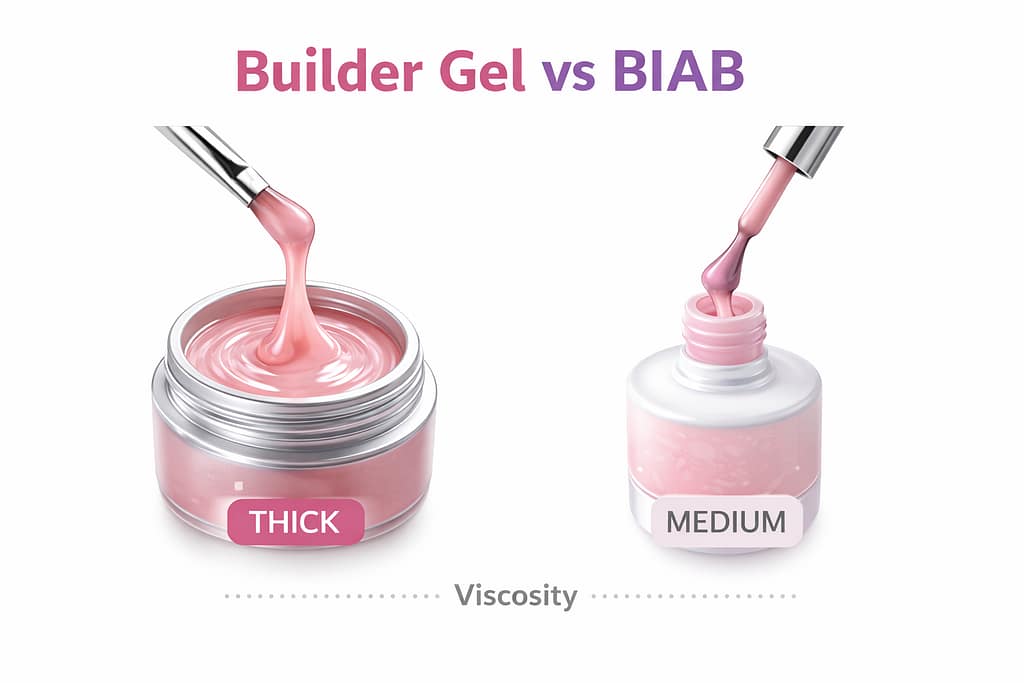
Builder gel is usually thicker than BIAB. This thicker consistency allows technicians to build a strong apex and create more advanced structures.
It is also suitable for sculpted nail extensions, which require a product that can hold shape before curing.
BIAB typically has a thinner or medium viscosity. It is designed mainly for natural nail overlays rather than extensions.
While BIAB can still create a structured manicure, it may not provide the same level of structural strength as traditional builder gel.
Flexibility
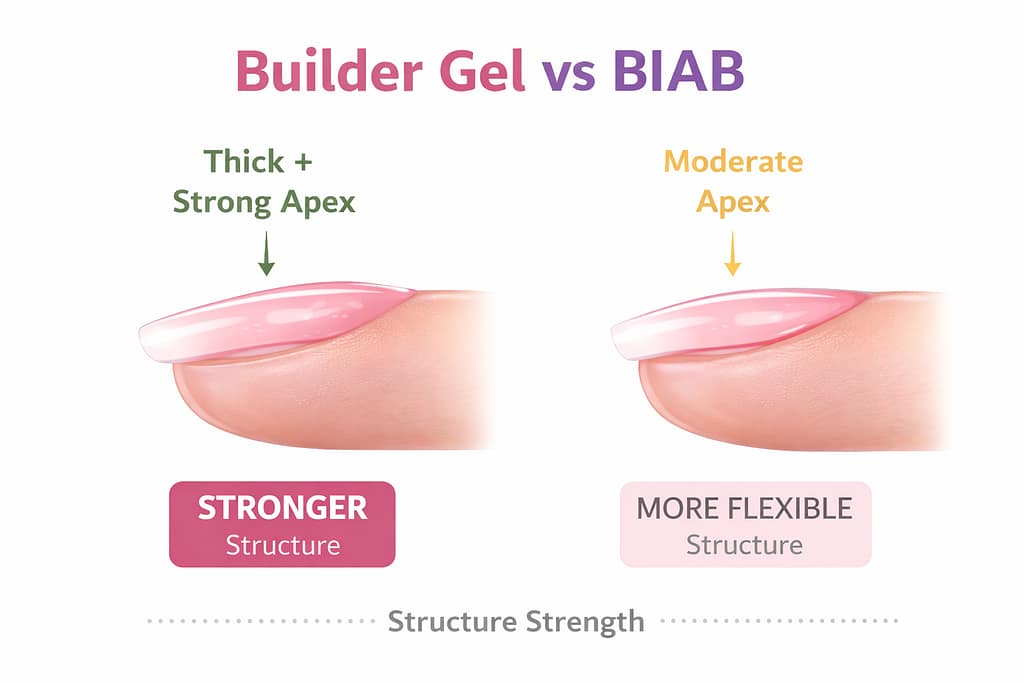
Flexibility is another key difference between the two products.
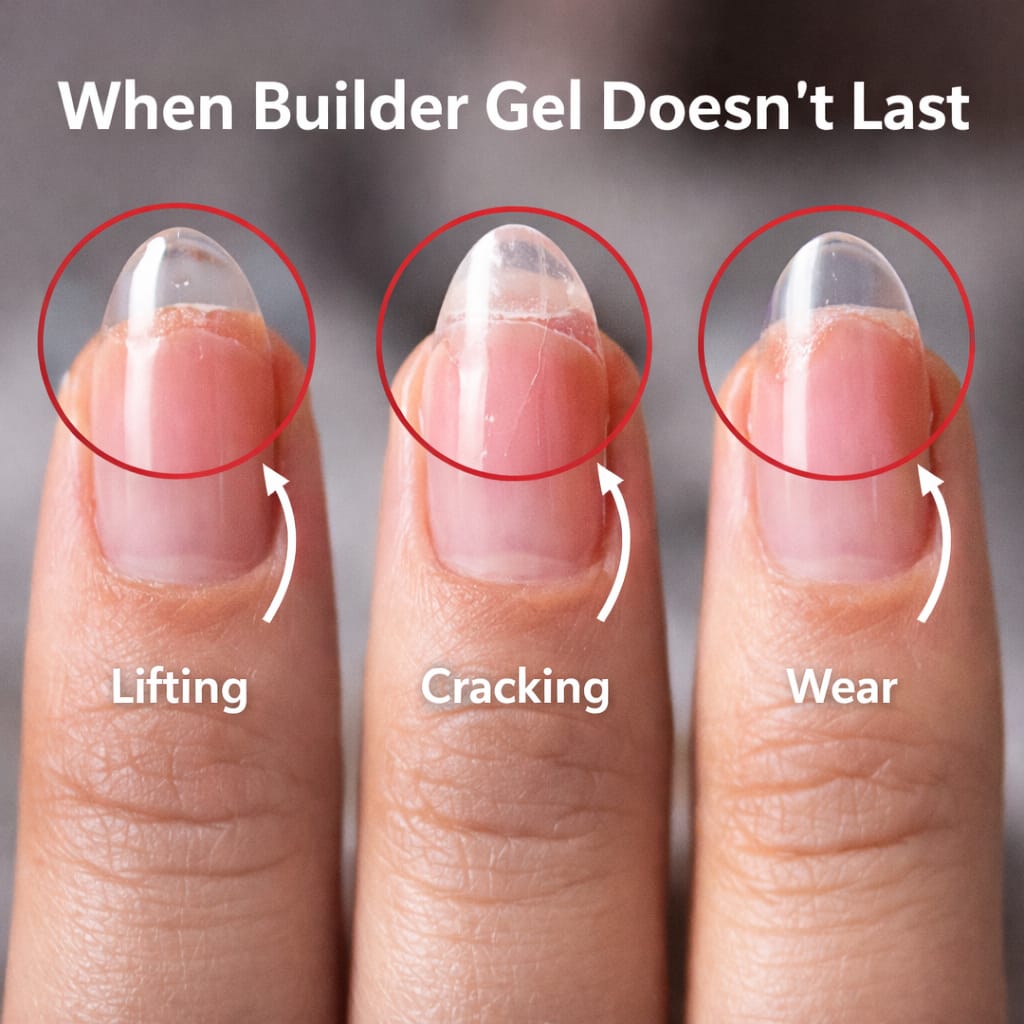
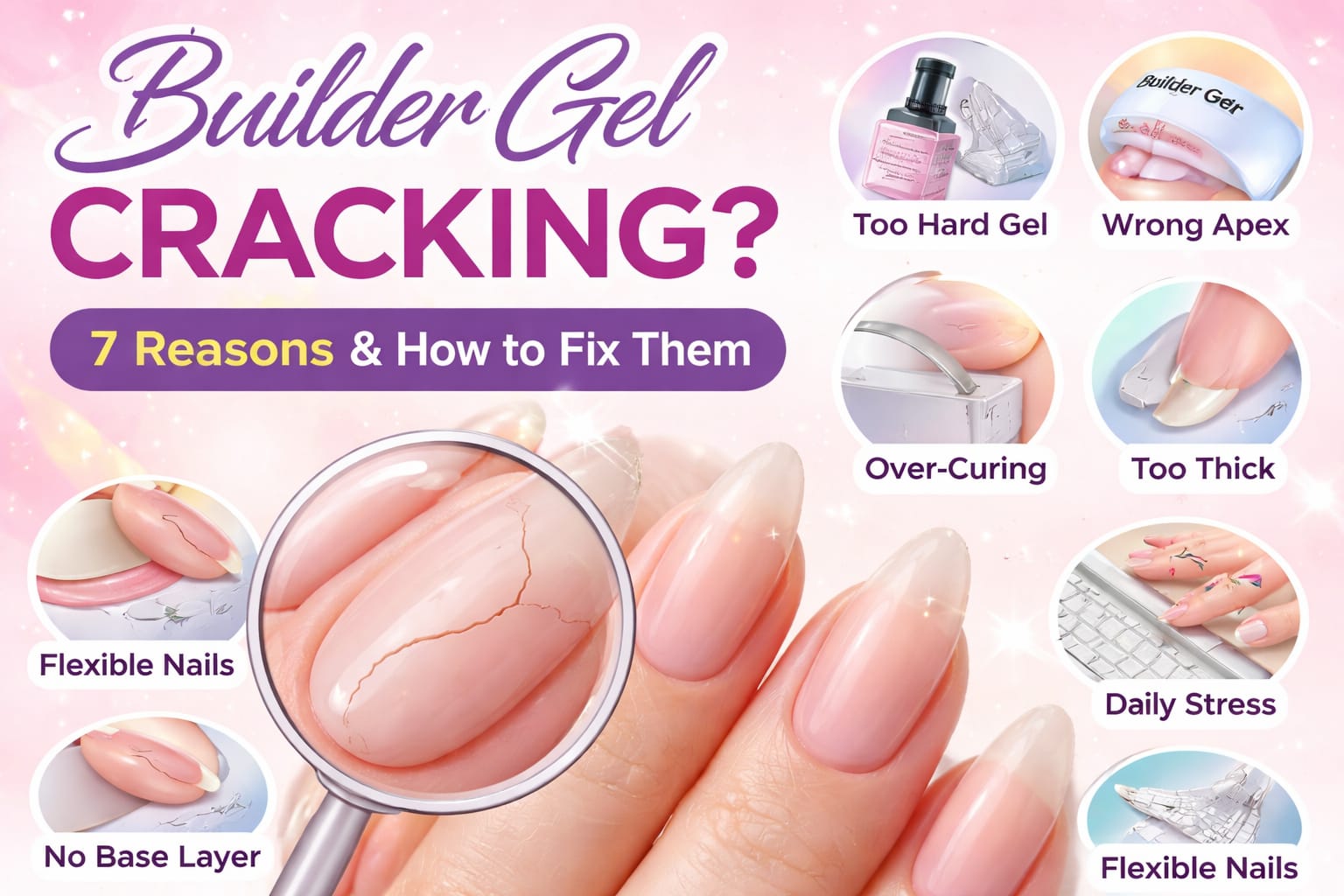
BIAB formulas are generally more flexible, which allows the product to move slightly with the natural nail. This flexibility can help reduce breakage or cracking in some cases.
Builder gel is usually more rigid and provides stronger reinforcement.
For clients with very flexible natural nails, BIAB may feel more comfortable because it adapts better to the nail’s natural movement.
Skill Level and Learning Curve
Builder gel often requires more technical skill to apply correctly. Creating a balanced apex, managing product thickness, and sculpting nail extensions all require practice and experience.
BIAB tends to be easier for beginners because the bottle brush makes application more straightforward.
For technicians who are new to structured gel systems, BIAB can be a good starting point before learning more advanced builder gel techniques.
Service Time
Salon service time is another factor that can influence the choice between builder gel and BIAB.
Builder gel services often take longer because the technician may need to sculpt the nail structure more carefully.
BIAB services are usually faster because the product can be applied similarly to gel polish.
For salons that focus on efficient structured manicures, BIAB can be a convenient option.
Which One Is Better for Natural Nails?
Both builder gel and BIAB can be excellent choices for strengthening natural nails.
However, the best option depends on the client’s nail condition and the desired result.
Builder gel may be better for clients who:
- Need stronger structural support
- Want nail extensions
- Have very weak or damaged nails
- Require shape correction
BIAB may be better for clients who:
- Prefer natural nail overlays
- Want a faster service
- Have relatively healthy nails
- Are growing out their natural nails
In many salons, technicians use both systems depending on the client’s needs.
Can BIAB Replace Builder Gel?
Some nail technicians wonder whether BIAB can completely replace builder gel.
In reality, the two products serve slightly different purposes.
BIAB can replace builder gel in some natural nail overlay services, but it may not fully replace builder gel for more advanced structural work or extensions.
Builder gel remains the preferred option when strong structure or sculpted nails are required.
Final Thoughts
Builder gel and BIAB are both powerful products designed to strengthen natural nails and create durable manicures.
While they share many similarities, their differences in consistency, flexibility, application method, and structural capabilities make them suitable for different types of nail services.
Builder gel is often preferred for structural work and nail extensions, while BIAB is commonly used for structured overlays on natural nails.
Understanding these differences allows nail technicians to choose the right system for each client and achieve longer-lasting, healthier nail results.
As nail technology continues to evolve, both builder gel and BIAB remain essential tools in modern nail services.